
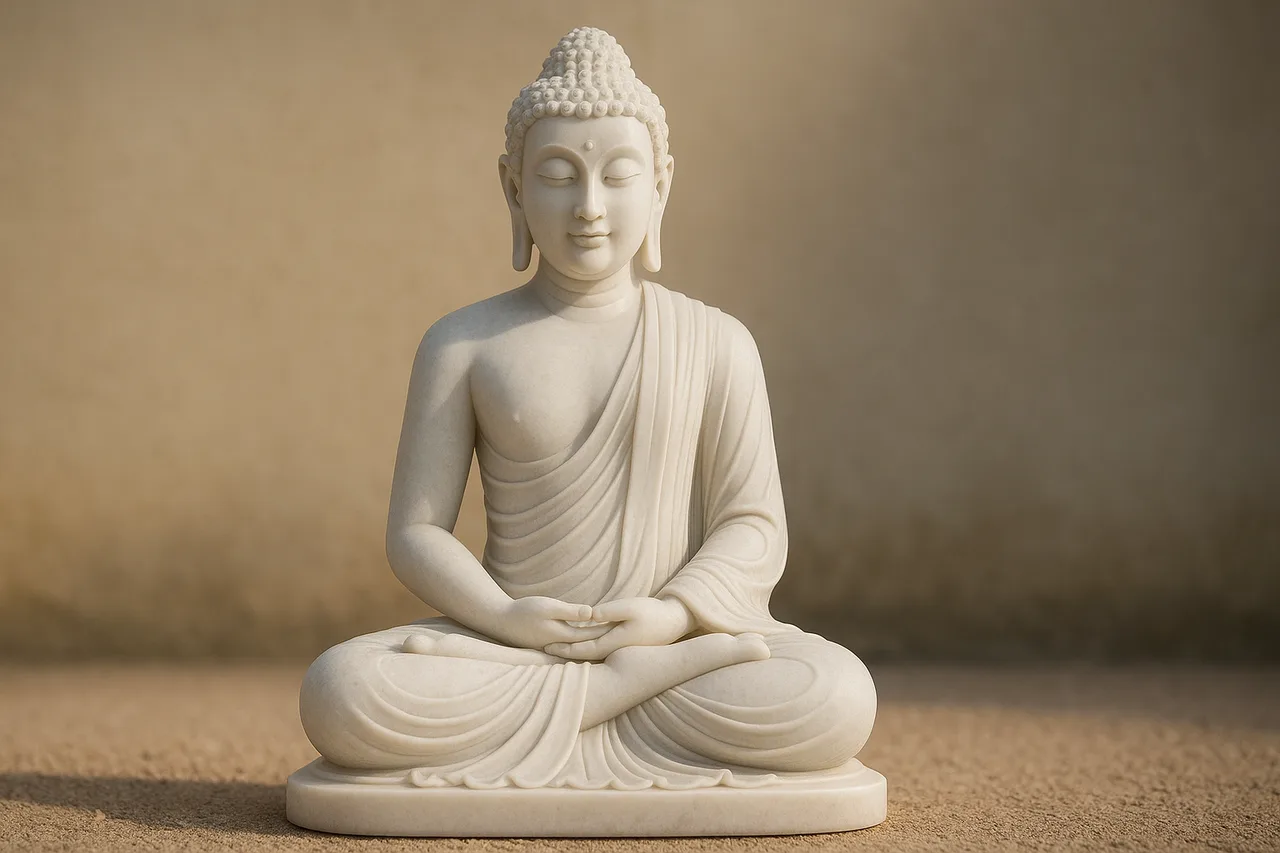
Custom Made Meditating Buddha Statues in Marble Stone
Design your own marble meditating Buddha. Choose posture, mudra, and size, all hand-carved in Jaipur.
Trade buyer outside India? Buddha statue export from Jaipur
Architect or designer? Zen garden Buddha statues
Explore Some Meditating Buddha Statue Design Ideas
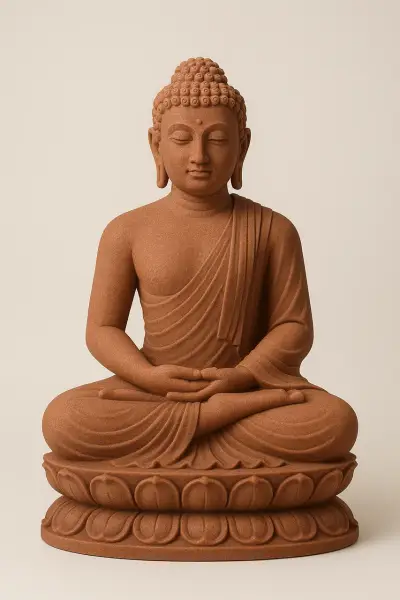
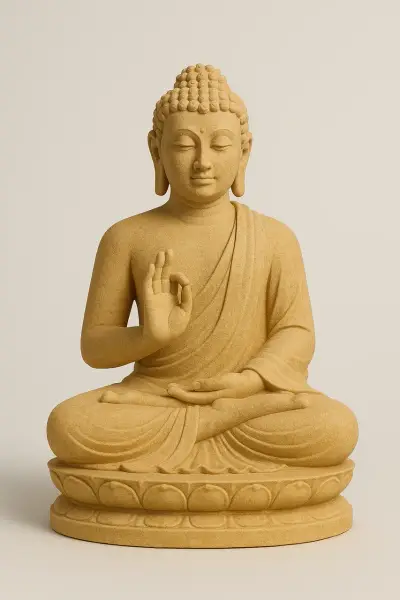
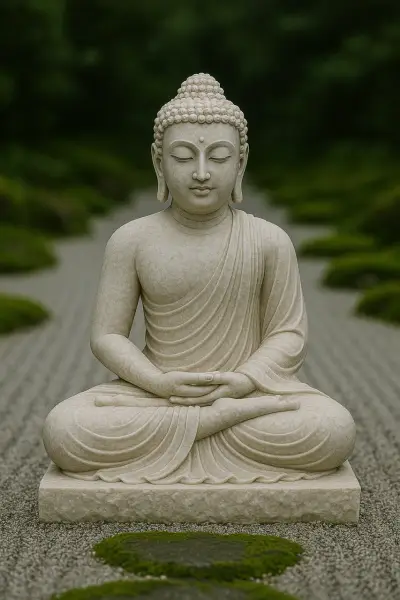
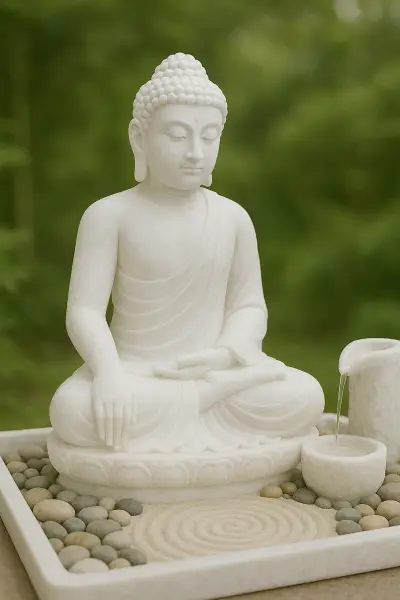
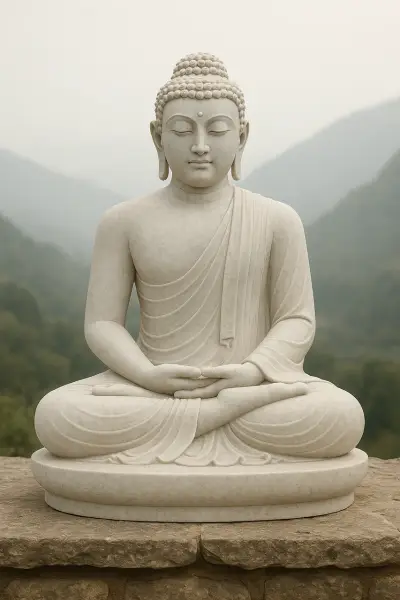
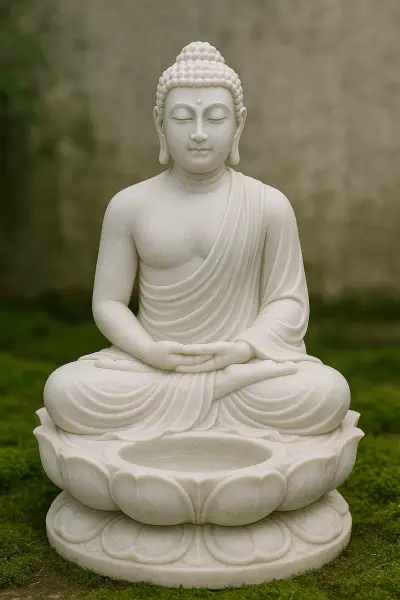
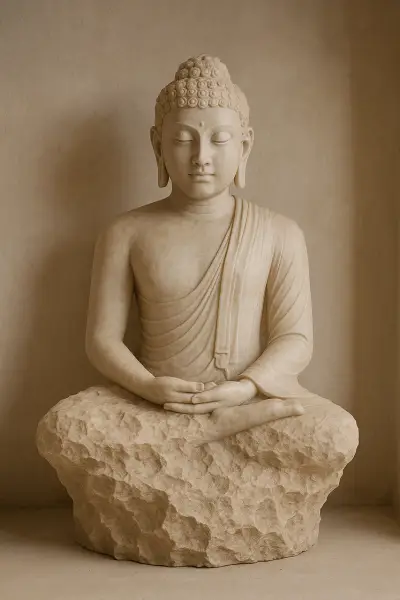
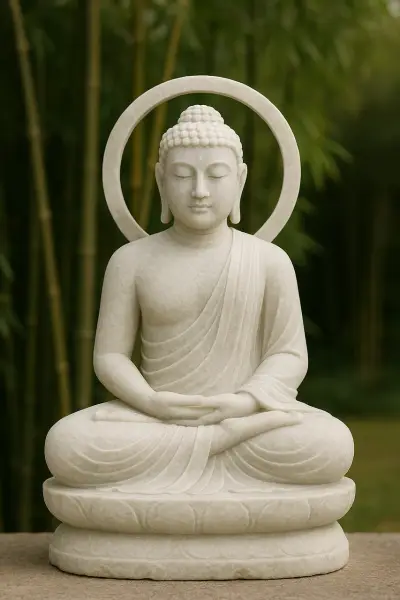
Browse serene Buddha meditation poses in marble. Save ideas or share yours to customise via WhatsApp.
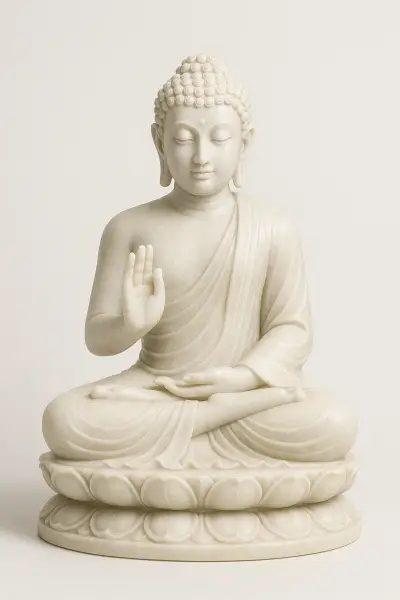
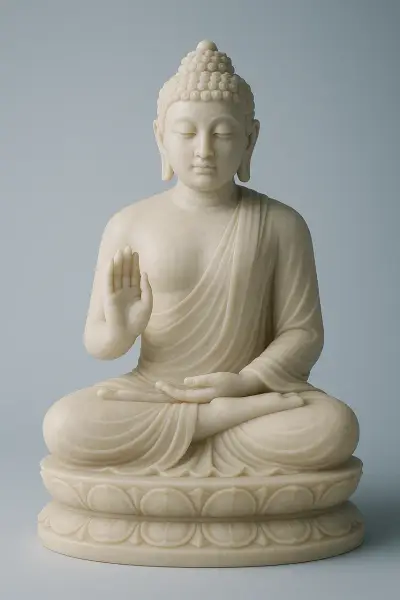
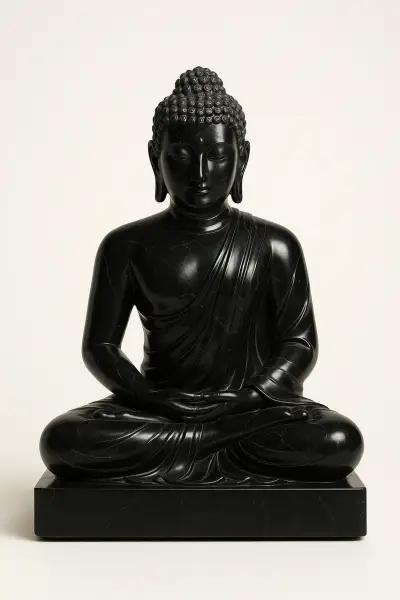
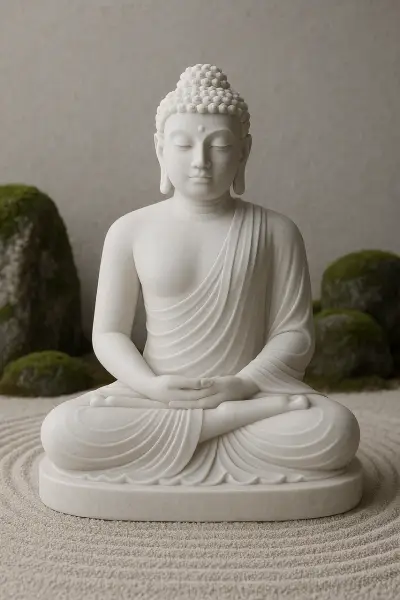
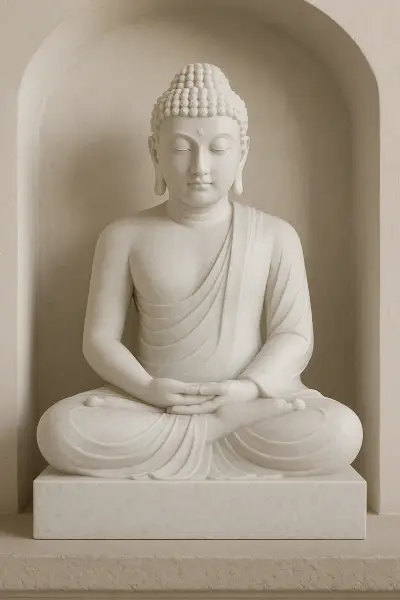

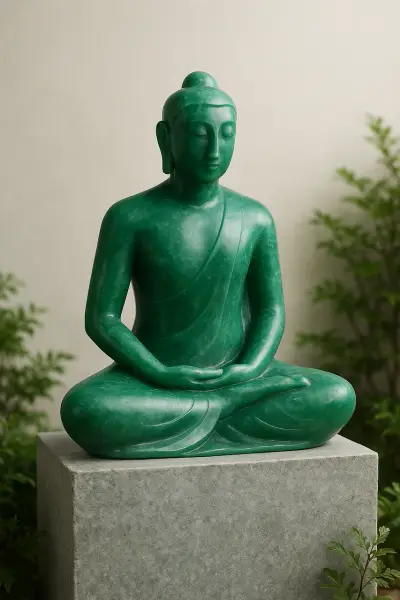
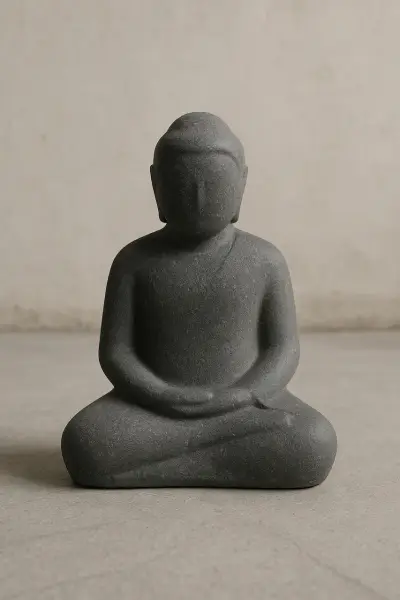

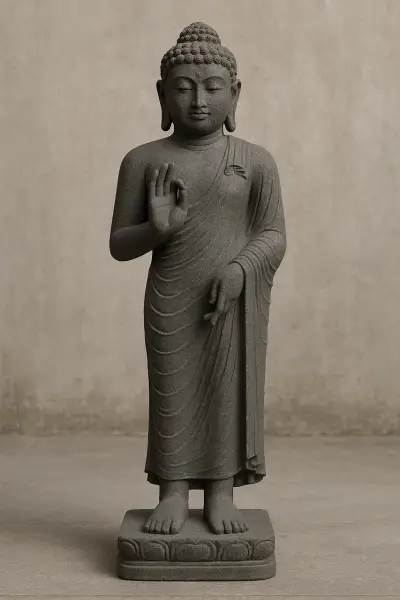
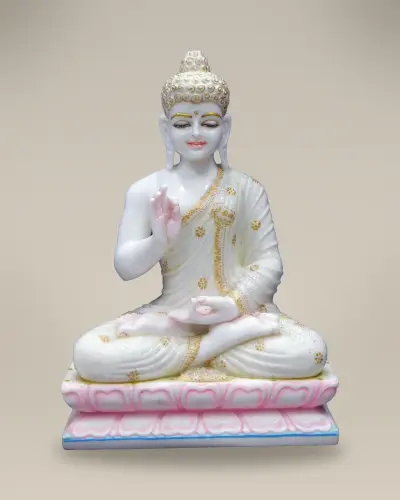
Showing 15 of 23 products
Reading a meditating Buddha: the mudra is the message
Every seated Buddha looks superficially alike to a newcomer, and the differences are the entire point. The hands carry the meaning, and choosing between them is the most useful decision you can make before commissioning a piece.
The hand gestures carved in this collection
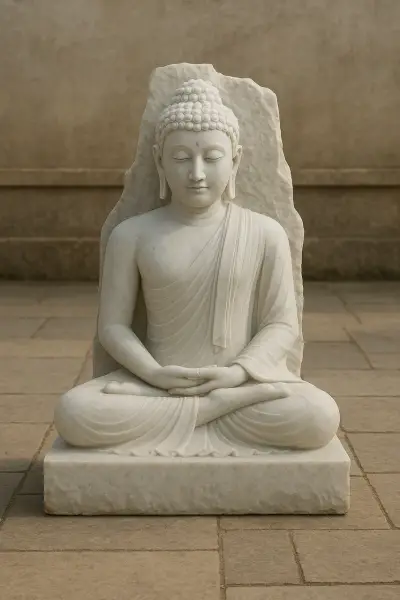
- Dhyana mudra: both hands resting in the lap, right over left, thumbs lightly touching. Pure meditation, and the most ordered form in this collection by a wide margin. The gesture the Buddha held under the Bodhi tree.
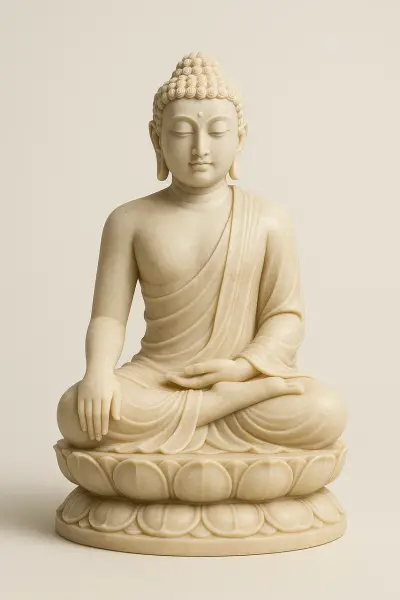
- Bhumisparsha mudra: left hand in the lap, right hand reaching down to touch the earth. This is the moment of enlightenment itself: the Buddha calls the earth to witness against Mara. Iconographically the most narratively loaded of the seated forms.
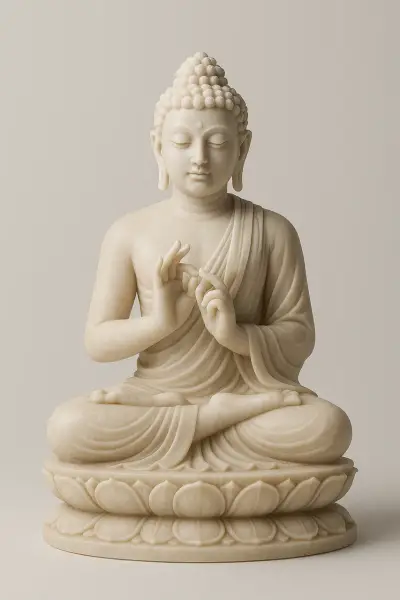
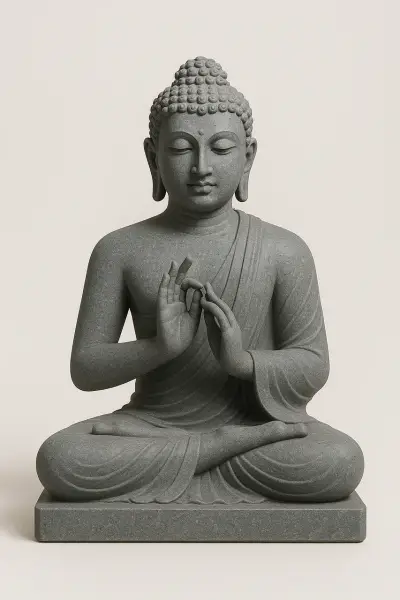
- Dharmachakra mudra: both hands at chest height, thumbs and forefingers forming wheels. The first sermon at Sarnath, the turning of the wheel of dharma. The right choice if the piece is going somewhere teaching or study happens.
- Vitarka mudra: thumb and forefinger joined, other fingers extended. Discussion and transmission; often paired with a slight forward inclination.
- Abhaya with dhyana: one palm raised in fearlessness while the other rests in meditation. A combined form that works well where the statue faces a doorway.
The seat
- Padmasana (full lotus): both feet drawn up onto the opposite thighs, soles upward. The formal, fully resolved posture and the harder one to carve convincingly.
- Vajrasana: the adamantine seat, legs folded more compactly.
Marks of a well-carved piece
Regardless of form, these are the details worth checking on any Buddha you are about to buy, and the ones a rushed carving gets wrong:
- The ushnisha, the cranial protuberance signifying attained wisdom, should rise from the skull as part of it, not sit on top like a cap.
- Elongated earlobes, stretched by the heavy jewellery of the prince he renounced. They should read as weight, not as decoration.
- The urna, a small mark or raised dot between the brows.
- Robe folds that fall with real weight and follow the body beneath. This is where cheap carving is exposed fastest, in folds that are incised lines rather than volume.
- Most of all, the face. A meditating Buddha lives or dies on the expression: eyes lowered rather than closed, mouth in the faintest suggestion of a smile. It should look inward, not asleep.
Choosing the stone
When a piece is made to order, the stone is your choice. Tilak Mandirwala works in five:
- Makrana white marble: warm white, dense, the traditional Rajasthani temple stone. The classic and the safest choice for an indoor meditation space.
- Vietnam white marble: cooler and brighter, with a fine even grain. It holds crisp detail in the face and hands, which matters more on a meditating figure than on any other form.
- Black stone: mirror-polishable and quietly dramatic. It suits a contemporary interior, and the lowered eyes read with unusual strength in dark stone.
- Dholpur pink sandstone: soft, warm, matte. The right pick for a sheltered veranda, a courtyard, or a garden meditation corner, since it weathers well.
- Cast marble dust: lighter and more affordable, and it holds fine detail. Good for smaller altar pieces.
A matte or honed finish suits a meditation figure better than a high polish; it absorbs light rather than throwing it back, which is usually what the room wants.
Size and placement
The pieces here run from 6 inches to 5 feet:
- 6 to 12 inches: a personal altar, a desk, a bedside shelf.
- 18 to 24 inches: a meditation corner or a yoga room. The most commonly ordered range for a dedicated space.
- 30 to 36 inches: a living-room focal point or a studio.
- 4 to 5 feet: a hall, a reception space, or a sheltered garden. At this scale carving depth carries the piece more than surface finish.
Sit the statue so the face is at or slightly above the eye level of a seated person. A meditating Buddha placed too high stops being a companion in the practice and becomes decoration on a shelf.
Placement
- Face the statue east where the layout allows, or simply into the room.
- Never place it directly on the floor. A plinth, a low table, a chowki or a shelf: always something between the stone and the ground.
- Keep it out of a bathroom or a shoe area, and do not use it as a side table. This sounds obvious and is the most common complaint from people who later regret the placement.
- Give it clear space. A meditating figure needs a little emptiness around it to do its work.
For standing forms see the standing Buddha collection; for outdoor installations, the garden Buddha collection.
Caring for the piece
- Dust with a dry, soft cloth. Marble is porous and does not want regular washing.
- No acidic cleaners. Lemon, vinegar and bathroom products etch a polished surface permanently.
- Wipe oil, incense residue and spills promptly.
- For a sandstone piece in a sheltered outdoor spot, an occasional plain-water rinse is enough.
Commissioning yours
Pieces in this collection are made to order unless a piece's own page says otherwise, carved for you by the master sculptors and artist families Tilak Mandirwala has worked with in Jaipur for years. Tell us the mudra, the stone and the size; we work through the design with you, brief the sculptor, share progress photographs as the piece takes shape, and deliver it to your door. A quotation and a timeline come before anything begins.
Why choose Tilak Mandirwala for Meditating Buddha statues
Dhyana postures crafted in premium marble, personalised to your meditation space
Peaceful expressions
Gentle smiles, soft eyes, balanced proportions radiating true calm.
Custom mudras
Pick dhyana, bhumisparsha, abhaya or even share your own sketch.
Choice of stone
Makrana, Vietnam white or black marble, or your preferred material.
Sized for you
From 12-inch idols to large centrepieces tailored for eye-level focus.
Heritage Jaipur work
Carved by Jaipur artisans preserving centuries-old traditions.
Insured delivery
Secure wooden crating and insured shipping worldwide for safety.
How we create your personalised Meditating Buddha statue
From idea to serene idol, every step is transparent and custom
Share your idea
Pick from our gallery or send your own sketch, size, and marble preference.
Finalise details
We confirm posture, mudra, base style, and finish to match your vision.
Clear quote & timeline
We provide a transparent quotation and delivery schedule.
Advance to begin
A partial advance secures stone and supports initial artisan work.
Sculpting updates
We share photos of carving progress so you stay in control.
Approval & packing
Final photos shared before multi-layer wooden crating for safe transit.
Balance on delivery
Pay remaining balance only once your statue arrives safely.
Frequently asked questions
Get answers to common questions about our custom sculptures
Can I customise the mudra and robe style?
Do you carve only in marble?
What sizes are possible for meditating Buddha statues?
How long does carving typically take?
What if the statue is damaged during shipping?
Ready to Create Your Meditating Buddha?
Start a WhatsApp conversation today, share your vision, and we’ll guide the process.
WhatsApp for a QuoteImporting Buddha statues for a store, a spa, a garden or a project outside India? Buddha statue export from Jaipur
Designing a Zen or meditation garden? Zen garden Buddha statues
Prefer to see the marble before you order? Visit our showroom in Jaipur, or send us your size and budget.
Browse Other Collections
Discover more collections that might interest you
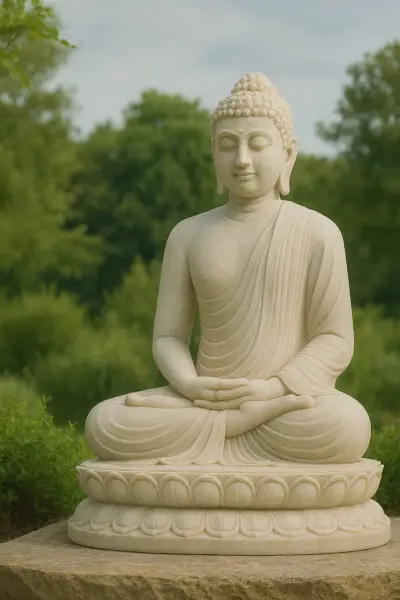
Custom Garden Buddha Statues for Outdoor Peace
A garden Buddha invites serenity to outdoor spaces. Define height, posture and patina, and Jaipur artisans craft it for you.
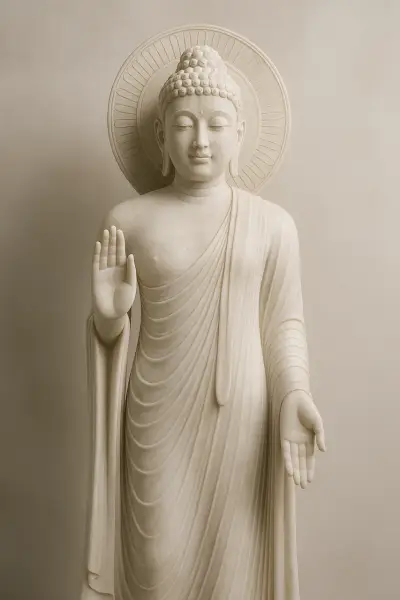
Custom Made Standing Buddha Statues in Marble Stone
Standing Buddha statues in marble stone, hand-carved in Jaipur and customised to your size, style and finish.
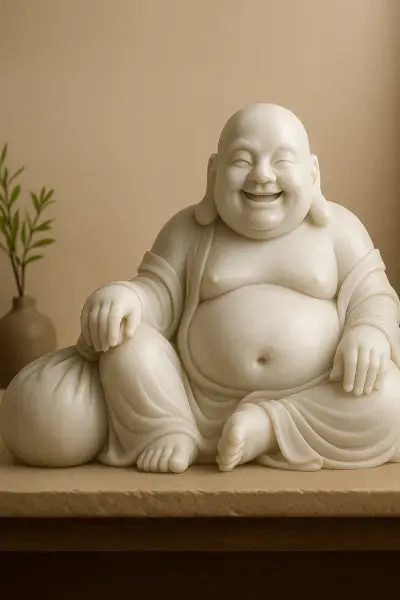
Custom Made Laughing Buddha Statues in Marble Stone
Design a hand-carved Laughing Buddha statue. Choose pose, size, and stone. Crafted to order by skilled Indian sculptors with insured delivery worldwide.
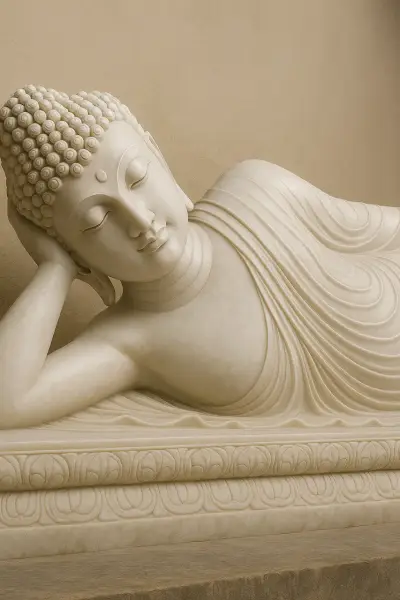
Custom Made Reclining Buddha Statues in Marble Stone
Explore serene Reclining Buddha statues, then customise posture, marble and detailing. Share your concept on WhatsApp today.
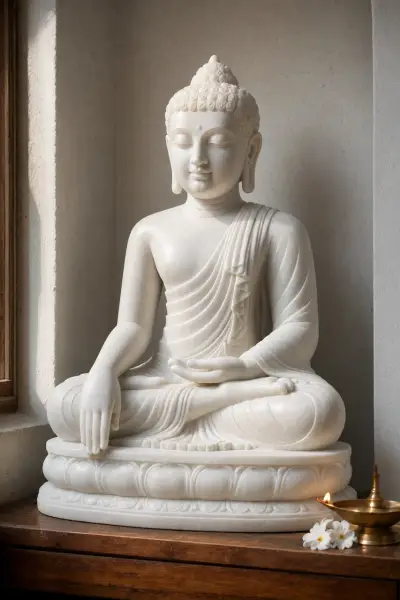
Custom Made Buddha Mudra Statues in Marble Stone
Choose the gesture first. Every mudra marks a different moment in the Buddha’s life, and the piece is then carved to the stone, size and finish you ask for.
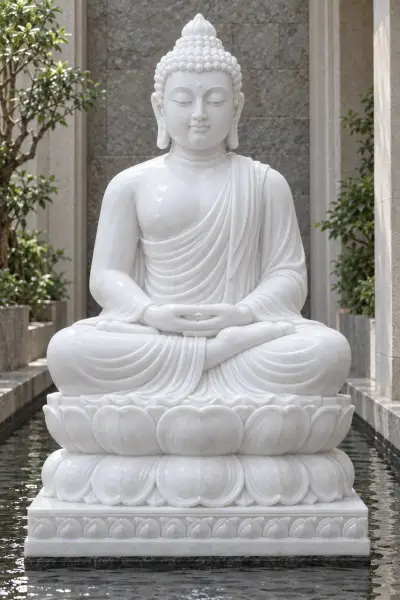
Buddha Statues for Water Features, Made to Order in Marble
A still pond and a Buddha belong together. These designs are made to sit at the water, raised on a lotus base or plinth: seated, standing, reclining, or sheltered by the naga who rose from the lake.