

Custom Made Neem Karoli Baba Marble Murti
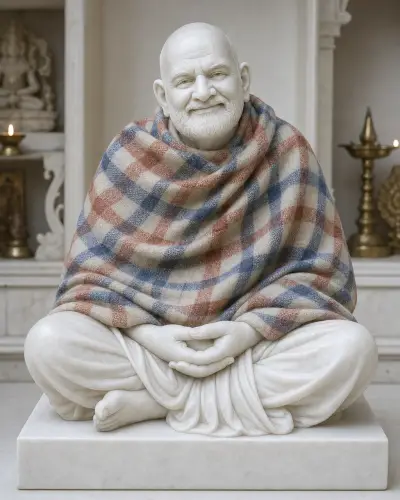
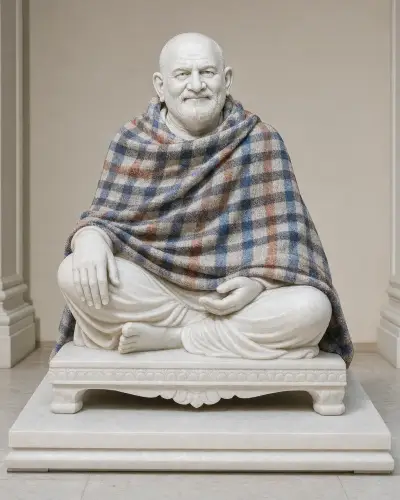
Carved to order by the master sculptors we work with in Jaipur: the bare head, the short grey beard and the chequered blanket, hand-painted or left in plain white marble, in the size your ghar mandir needs.
Neem Karoli Baba Murtis
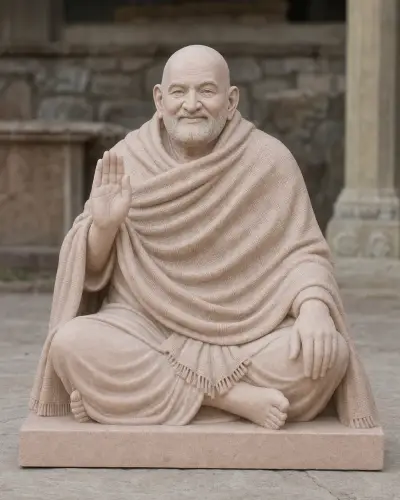
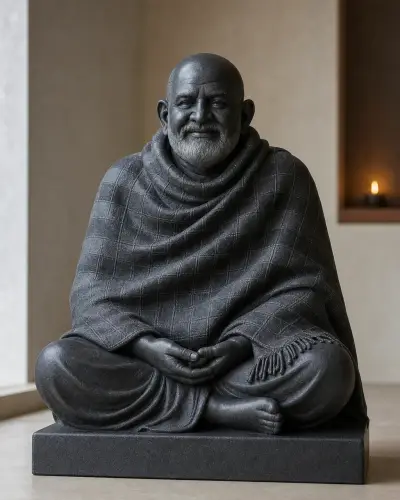
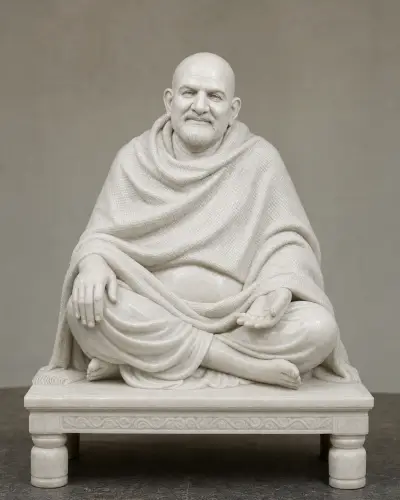
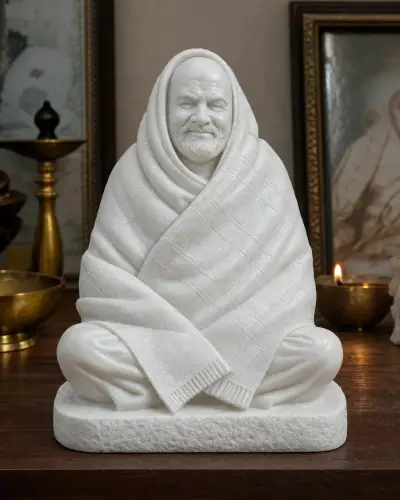
Ashirwad, quiet darshan, seated on the takhat and with Hanuman: hand-painted or plain white marble, from a 6in gifting murti to a 60in ashram piece.
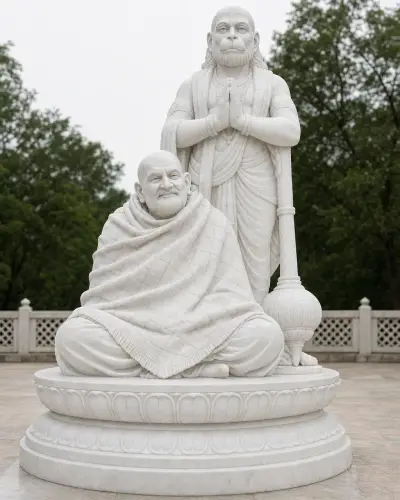
Showing 15 of 17 products
Neem Karoli Baba murtis: Maharajji, and the blanket
People who ask for a Neem Karoli Baba murti rarely use his full name. He is Maharajji at home, Neeb Karori Baba in the villages near Farrukhabad the name comes from, and Kainchi Wale Baba to the families who drive up from the plains to the ashram in the Kumaon hills. What they picture is always the same: a heavy-set old man wrapped in a chequered blanket, sitting cross-legged on a wooden bench, laughing.
That blanket is why this collection is built the way it is. Most murtis are identified by an attribute you can carve: a vel, a flute, a jholi and danda. Maharajji is identified by a textile, and by a face thousands of people have seen in photographs. He died in 1973, well inside living memory, and the households commissioning him are often two generations of the same family who have kept the same picture on the same wall. Every piece here is carved to order by the master sculptors we work with in Jaipur.
The forms carved here
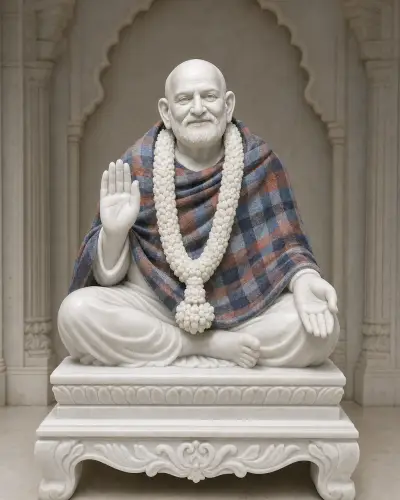
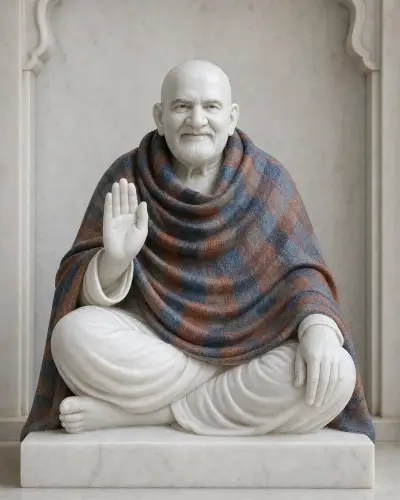
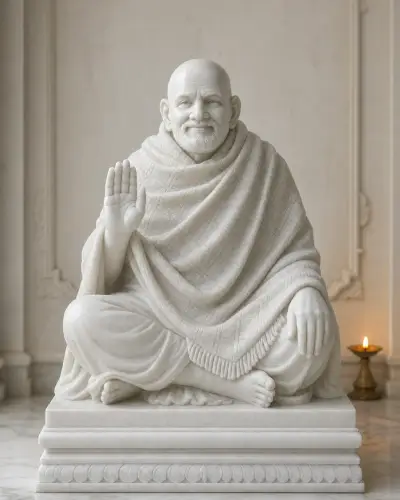
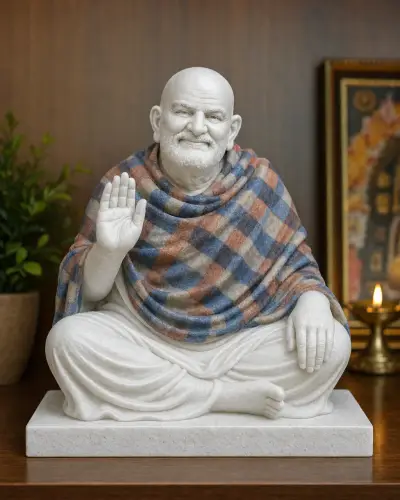
The ashirwad form is where most homes begin: seated cross-legged, right hand raised palm-out in blessing. The 24in hand-painted ashirwad murti is the commonest ask, and the 24in plain white version is the same form for a household that wants the whole piece in one stone.
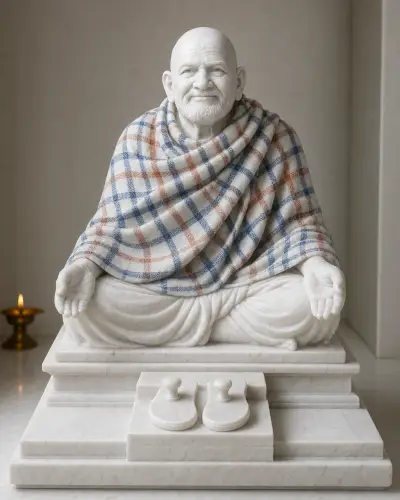
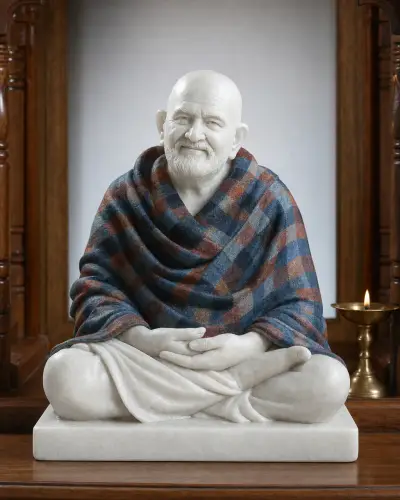
The quiet darshan form rests both hands open in the lap, which reads calmer on a shelf where he sits among other murtis: an 18in hand-painted piece for a mandir cabinet, a 36in plain marble one for a hall.
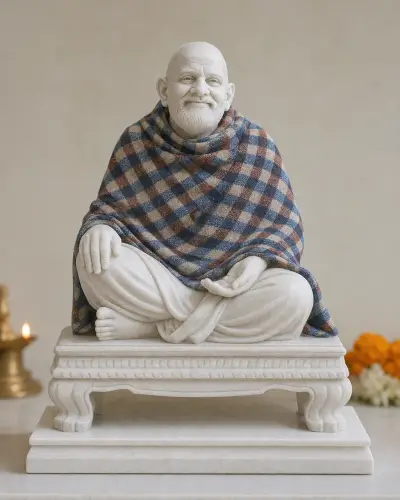
The takhat pieces carve the low wooden bench he sat on as part of the same block: a 30in hand-painted and a 48in plain marble. It is the form devotees who have read the accounts recognise fastest, because the bench is in almost every story.
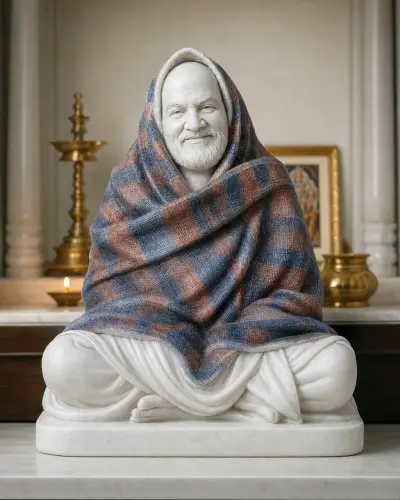
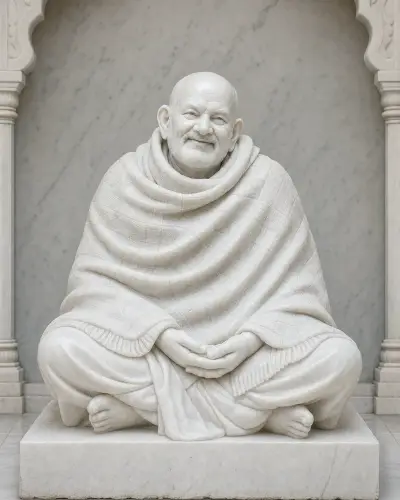
Three forms are more particular. The 36in Kainchi Dham darshan murti is the garlanded sanctum composition on a low singhasan. The 21in murti with charan padukas carves his sandals on the step below him. And the blanket form draws the blanket up over his head so only the face shows: 15in hand-painted or 18in plain.
For a small shelf, a desk or a car, the cast marble-dust pieces run smallest: 9in ashirwad, 12in on the takhat, and a 6in murti that travels in hand luggage.
Hand-painted or plain white: the blanket is the decision
On most collections the finish is a matter of taste. Here it decides how quickly the murti is recognised, because the chequered blanket is the identity.
Hand-painted is what most ghar mandirs choose. The check is painted in blue, rust and navy over the white stone, the dhoti left white, the face and hands in natural tones, so the piece reads as Maharajji from across a room, the way the photograph on the wall does. The painting is applied after carving, to the finished piece.
Plain white marble keeps everything in one stone, and it is not a compromise. The sculptors work the check into the drapery in shallow relief, with a fringed edge along the blanket, so the weave still reads without a drop of colour, and in raking light it is arguably the finer piece of carving. It is what most temple, ashram and gallery installations choose; the 48in takhat murti shows it clearest.
Both are offered in every principal form on this page, deliberately, so you never have to choose between the finish you want and the form you want.
Telling a Neem Karoli Baba murti from a Sai Baba one
Worth knowing before you buy anywhere, because it goes wrong often: pieces are listed online under his name that are plainly a different sant altogether.
Four things settle it. Maharajji is bald and bare-headed: no turban, no cloth over the head. His beard is short and trimmed, grey-white, with a moustache. He wears a chequered blanket over both shoulders and around the torso, over a plain white dhoti. And he is heavy-set: broad, solid, with a full stomach.
Set that against the two figures he is most often confused with. Sai Baba of Shirdi wears a kafni robe with a head cloth knotted over the left shoulder, and sits with his right leg crossed over the left knee. Jalaram Bapa wears a wound Kathiawadi turban and a long white beard to the chest. Neither is bald and bare-headed, and neither is wrapped in a blanket.
The build is what most often gets lost. Maharajji was not a lean ascetic, and a thin figure, however well carved, is not him.
Maharajji and Hanuman
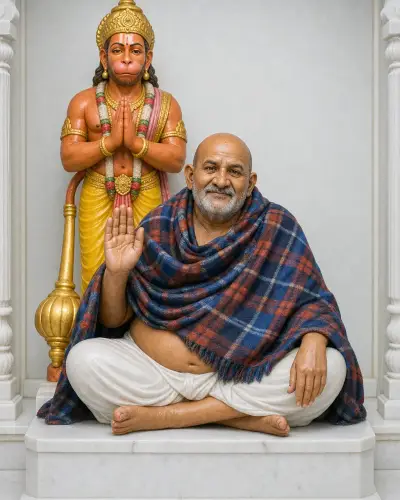
He is inseparable from Hanuman. He built or restored over a hundred Hanuman temples, the ashram at Kainchi Dham is built around one, and devotees who came to him were as often sent to the Hanuman Chalisa as given an instruction of their own.
So the pairing is a real commission rather than a novelty. Two pieces here carve both figures on one shared plinth: Hanuman standing behind with palms folded and the gada at his side, Maharajji seated in front, in a 30in hand-painted piece for a home mandir, and a 60in plain marble one at the scale a courtyard or an ashram hall takes. Families installing him beside a Hanuman murti they already own usually take a seated form and match the height to what is there.
Choosing the stone
Makrana white marble is the default and the base for every hand-painted piece: the warm temple white of the Taj Mahal, dense enough to hold the fine drapery the blanket needs.
Cast marble dust is what makes the small sizes affordable, and it takes paint well; it is the right choice at 6 to 12 inches and for anything that has to travel light.
Black granite reads completely differently: matte, contemporary, the check catching in relief rather than colour. It suits a study, a meditation room or a gallery setting more than a traditional mandir. See the 24in darshan murti.
Dholpur pink sandstone is warm, matte and weather-tolerant, which makes it the one to choose for a courtyard, a garden or an open verandah; the 30in ashirwad piece is carved for exactly that.
Size and placement
Pieces here run 6 to 60 inches, and the small end matters more for Maharajji than for most subjects. He is a murti people keep close rather than at a distance. 6 to 15 inches sits on a pooja shelf or a desk. 18 to 24 inches suits a mandir cabinet or a console, and is where most homes land. 30 to 36 inches wants a hall, a landing or a dedicated niche. 48 to 60 inches is ashram, temple and institutional scale.
Depth catches people out more often than height: a seated figure on a takhat is deeper than it looks in a photograph. Send a picture of the space and the shelf depth and we will suggest a size that actually fits.
Caring for it
Dry-dust with a soft cloth. For marble, an occasional wipe with a barely damp cloth and nothing more: no acidic cleaners, no vinegar, no lemon, all of which etch the surface permanently. Hand-painted pieces want the dry cloth only, and no solvents near the painted areas. Sandstone kept outdoors will weather and warm in tone over the years, which most people come to prefer; a breathable stone sealer slows it if you would rather it did not.
Make it yours
The pieces here are starting points, not a fixed catalogue. If one is close but not quite (a different size, another stone, painted instead of plain, the takhat instead of the plinth), that is a normal commission and the sculptors will adapt it.
Bringing something else entirely is just as welcome. Families send us a photograph they have kept for years, the murti from their own ashram, or a composition nobody on this page has carved yet. Some pieces are already carved and waiting with the sculptors we work with, in which case there is no carving wait at all and we send you photographs of the actual piece; a commission is carved for you and takes eight to twelve weeks, depending on size, stone and detail.
Tell us what you have in mind on WhatsApp and we will tell you honestly which of the two you are looking at.
Why choose Tilak Mandirwala for your Neem Karoli Baba murti
A murti of Maharajji is judged against a photograph the family already knows. That is a different bar from a deity murti, and it is the bar we work to.
The likeness is checked, not guessed
Bare bald head, short trimmed grey beard, the chequered blanket over both shoulders, a white dhoti, and a heavy-set build. Every piece is carved against those four anchors, because a murti that misses them is not Maharajji, however well finished.
Hand-painted and plain marble, both done properly
The painted pieces are coloured after carving by artists who paint murtis for a living. The plain pieces carry the blanket check worked into the drapery in shallow relief with a fringed edge, so the identity survives without colour.
Makrana marble, from the quarry belt we buy in
The same warm temple white used in the Taj Mahal, dense enough to hold the fine drapery folds this subject needs. Black granite, Dholpur pink sandstone and cast marble dust are available for the pieces that suit them better.
Six inches to five feet
A 6in murti for a desk or a car, an 18-24in piece for a ghar mandir, and up to a 60in Maharajji with Hanuman for a courtyard or an ashram hall. The small sizes matter here more than for most subjects.
You see the actual piece before it ships
Photographs of your specific murti as it is finished, not a catalogue image, so nothing arrives as a surprise. If a suitable piece is already carved, you see that one.
Crated for stone and shipped worldwide
Marble is heavy and brittle and travels badly if it is packed like anything else. Pieces go out in braced wooden crates, and we quote the freight alongside the murti so the final number is clear at the start.
How your Neem Karoli Baba murti is made
From the form you have in mind to a crated murti at your door.
Tell us the form and the size
Ashirwad, quiet darshan, seated on the takhat, the blanket drawn over the head, or with Hanuman behind. Send a photograph of the space if you have one - shelf depth decides more than height does.
We check what is already carved
Before anything is commissioned we ask the sculptors and artist families we work with whether a suitable piece already exists. If one does, you see photographs of it and there is no carving wait at all.
Stone and finish are settled
Makrana white marble, black granite, Dholpur pink sandstone or cast marble dust - and, the decision that matters most here, hand-painted polychrome or plain stone with the blanket check carved in relief.
The block is selected and the sculptor assigned
A block is chosen for grain and freedom from flaws at the size you have asked for, and the work goes to a sculptor who has carved this subject before.
Carving
Roughing out, then the drapery and the face, then finishing and the chosen surface polish. The blanket and the face take the longest, because they are what the piece is recognised by. Commissions run eight to twelve weeks depending on size, stone and detail.
Painting, on the hand-painted pieces
Applied to the finished carving - the check in blue, rust and navy, the dhoti left white, face and hands in natural tones. You see photographs at this stage and can ask for the colour to be adjusted.
Crated, shipped and installed
Braced wooden crating, freight quoted alongside the murti, and guidance on lifting and seating the piece when it arrives. Larger pieces ship with their plinth.
Frequently asked questions
Get answers to common questions about our custom sculptures
How soon can I get a Neem Karoli Baba murti?
Is everything made to order, or do you have ready pieces?
Should I choose a hand-painted murti or plain white marble?
Which form of Neem Karoli Baba do people install?
How do I know the likeness is right?
Which stone and size should I choose?
Can you ship to the US, UK or Europe?
Commission a Neem Karoli Baba murti
Tell us the form, the size and your date. We will say what is already carved and what needs commissioning.
Message us on WhatsAppImporting statues for your store or gallery? Marble statue supplier for importers
Prefer to see the marble before you order? Visit our showroom in Jaipur, or send us your size and budget.
Browse Other Collections
Discover more collections that might interest you
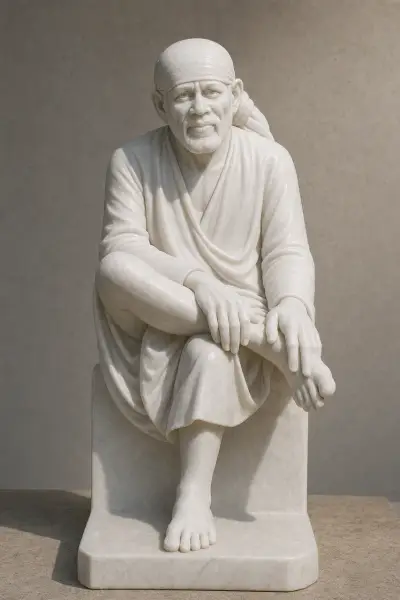
Custom Made Sai Baba Statues in Marble Stone
Hand-carved Shirdi Sai Baba murtis in marble and stone. Choose your stone, size, and form. The Dwarkamai stone posture, the Ashirwad blessing, the singhasan darshan form, or a standing murti for your courtyard, all in faithful iconography. Start with a free WhatsApp consultation.
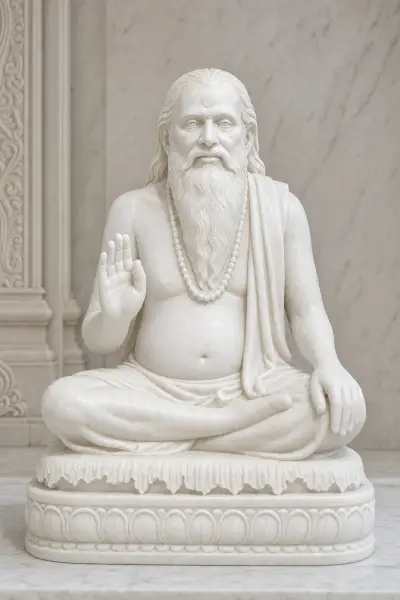
Custom Made Swami Samarth Statues in Marble Stone
Hand-carved Shree Swami Samarth (Akkalkot Maharaj) murtis in marble. Choose your stone, size and pose. Seated darbar, meditation, throne or lotus, in white or black marble. Start with a free WhatsApp consultation.
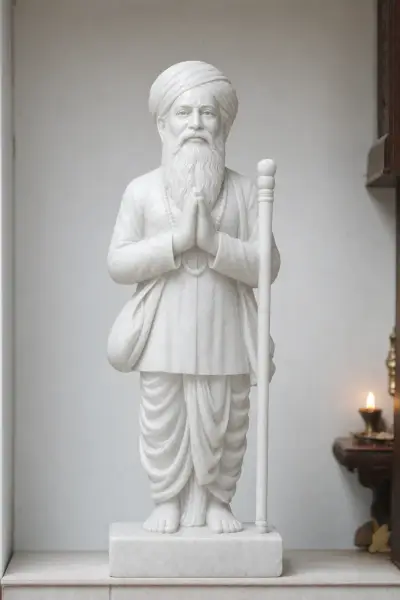
Custom Made Jalaram Bapa Marble Murti
Carved to order by the master sculptors we work with in Jaipur: the turban, the long white beard, the jholi and the danda, in the stone and size your ghar mandir needs.
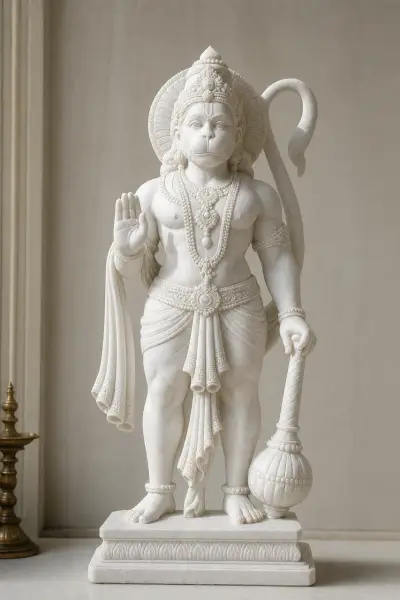
Custom Made Hanuman Statues in Marble Stone
Hand-carved Hanuman murtis in marble: standing blessing, Sankat Mochan kneeling, Panchmukhi, fierce Veer with gada, or flying with the Sanjeevani mountain. Choose your stone, size, and pose. Start with a free WhatsApp consultation.
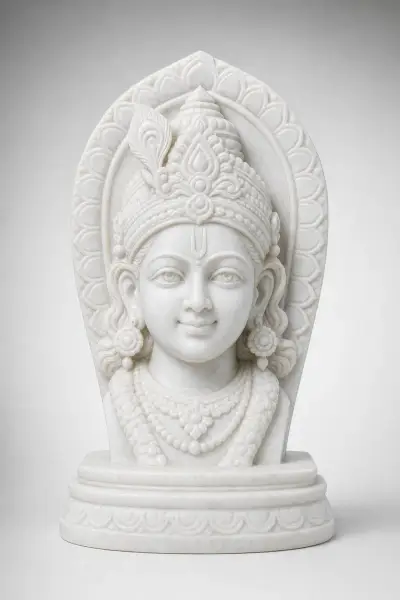
Custom Made Khatu Shyam Ji Statues in Marble Stone
Shyam Baba in the forms Khatu keeps him - the shish darshan, the crowned darbar murti, and Veer Barbarika with his three arrows - made to order in Makrana white, Vietnam white, black stone or cast marble dust.
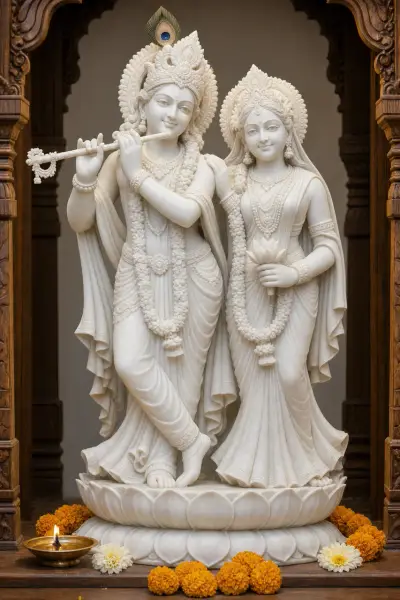
Custom Made Radha Krishna Jugal Jodi Statues in Marble Stone
Hand-carved Radha Krishna jugal jodi pairs in marble. Choose your stone, size and pose. Standing, seated, with peacock or cow. Start with a free WhatsApp consultation.