
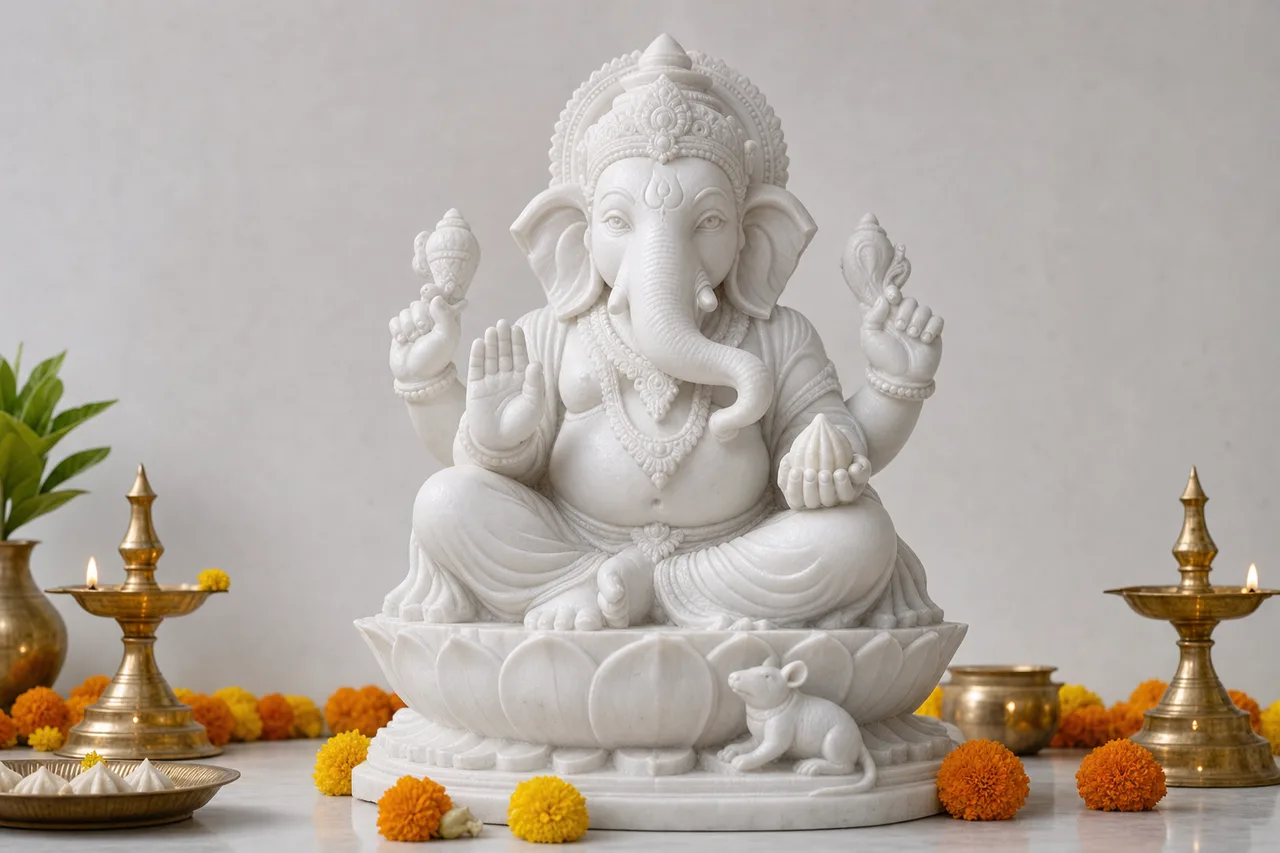
Marble Ganpati Murtis for Ganesh Chaturthi
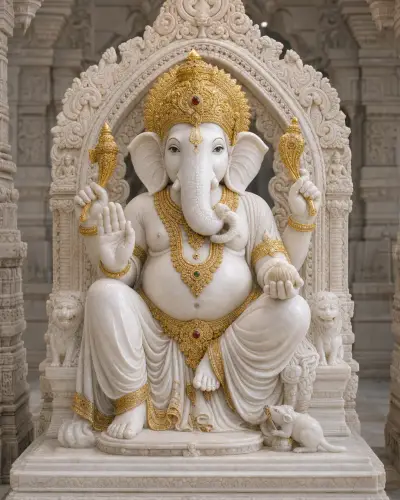
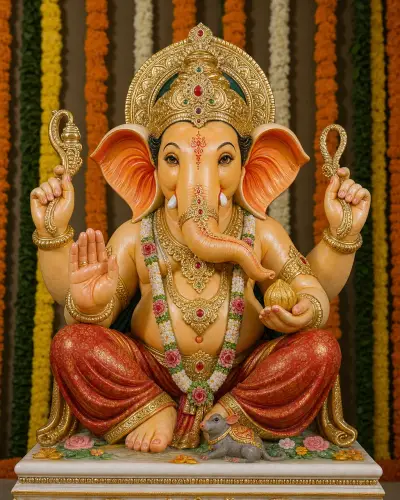
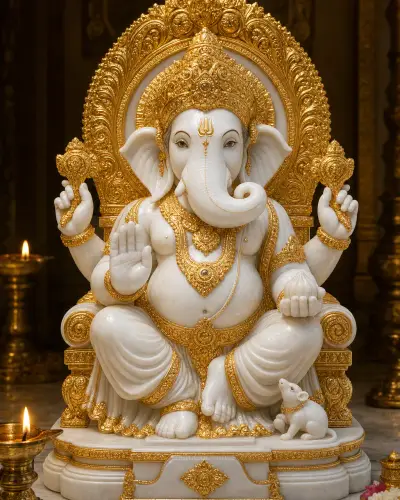
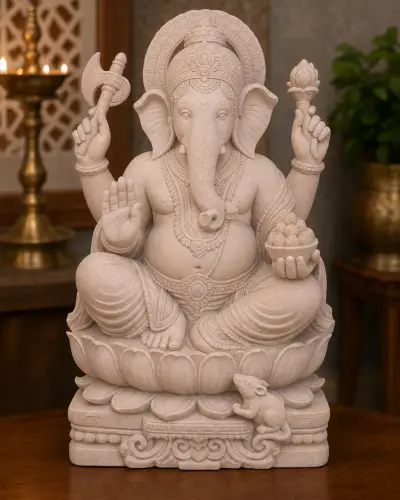
Hand-carved marble Ganpati murtis for Ganesh Chaturthi: the murti you install once and keep, not the clay idol that goes for visarjan. Choose your form, stone and size on WhatsApp.
Ganpati murtis for this Chaturthi
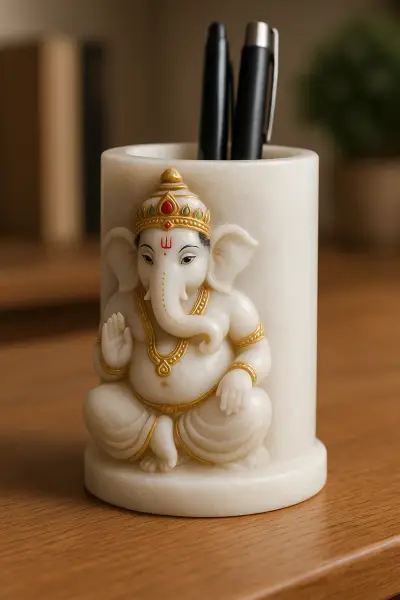
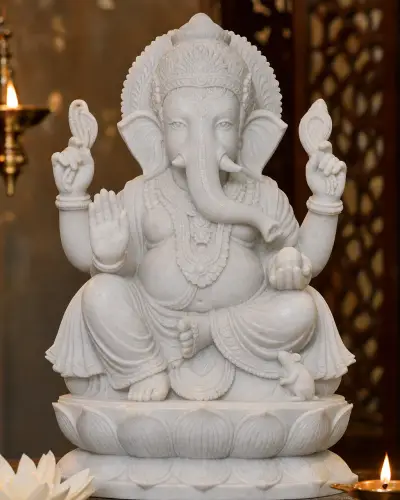
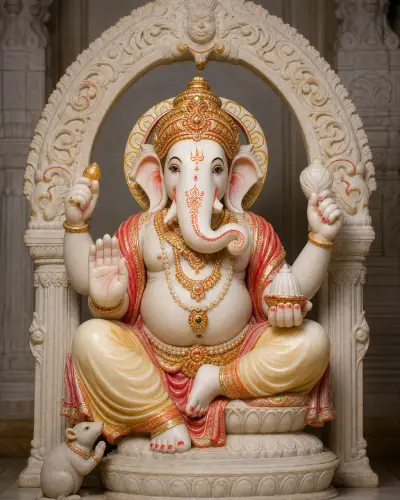
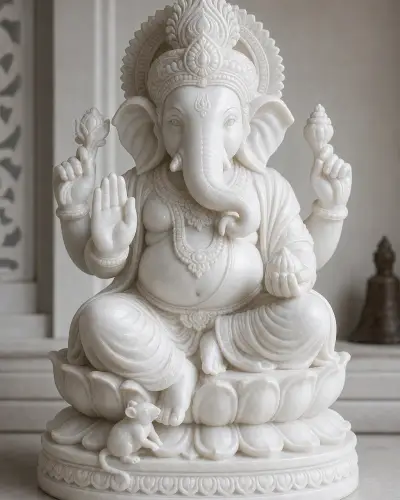
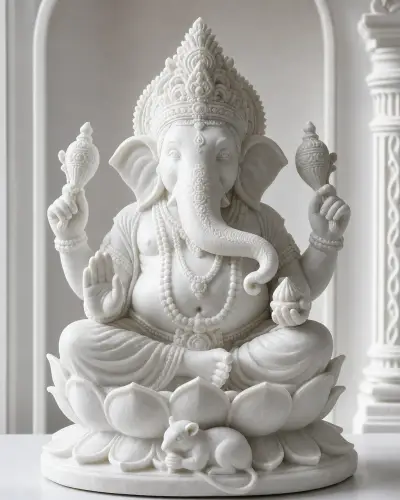
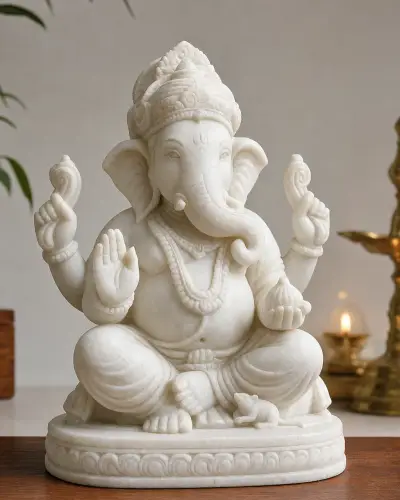
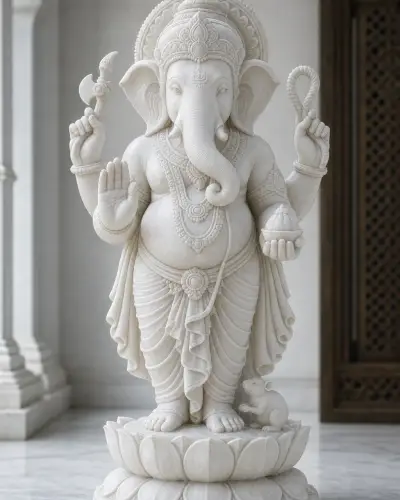
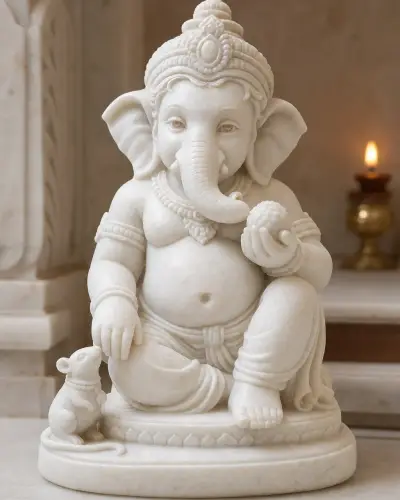
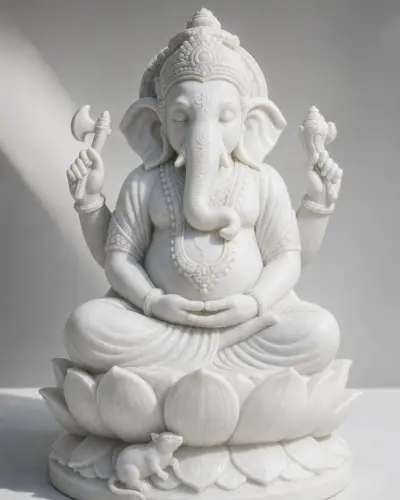
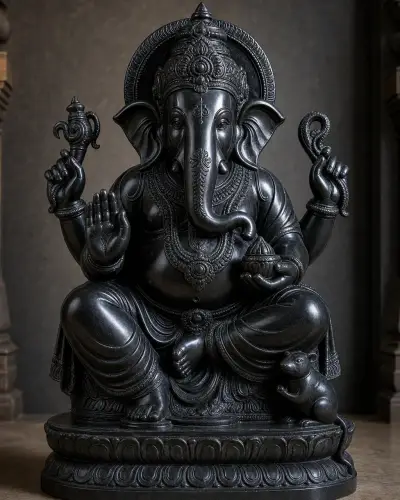
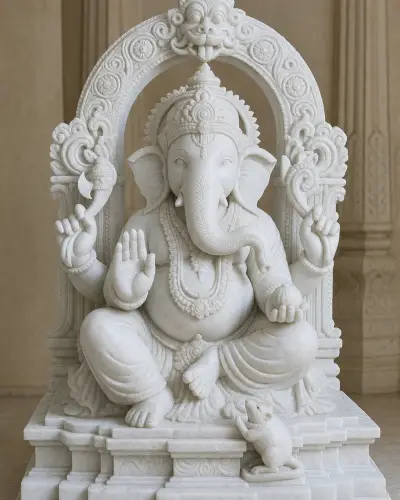
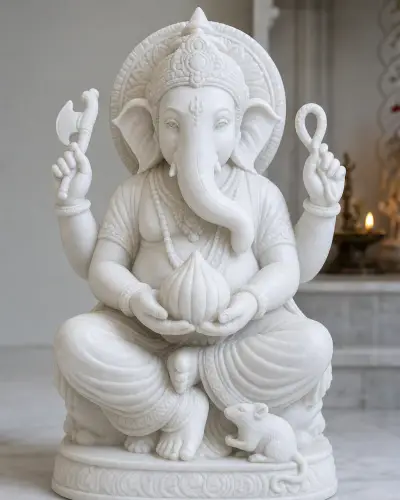
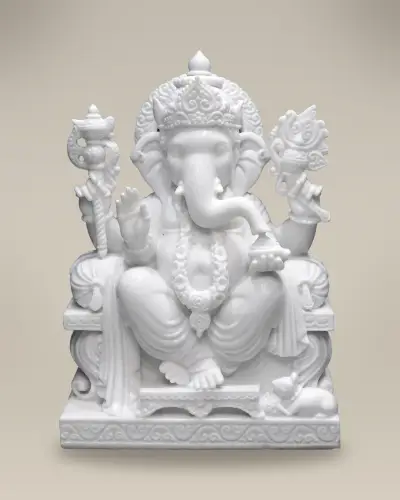
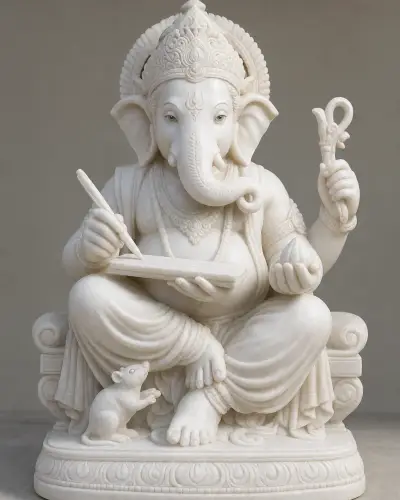
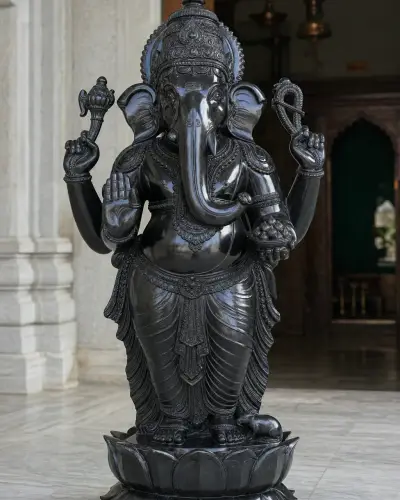
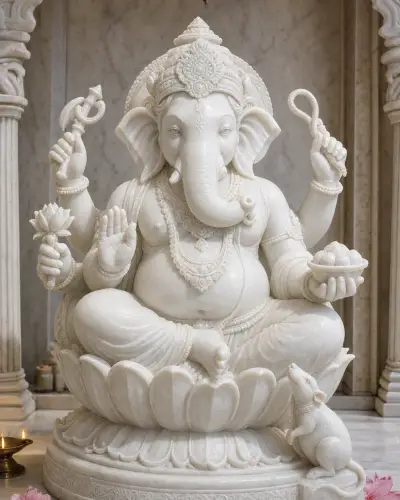
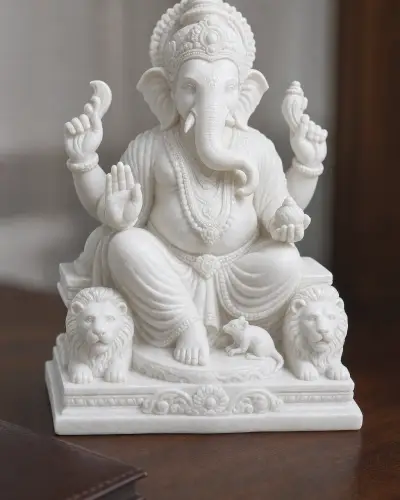
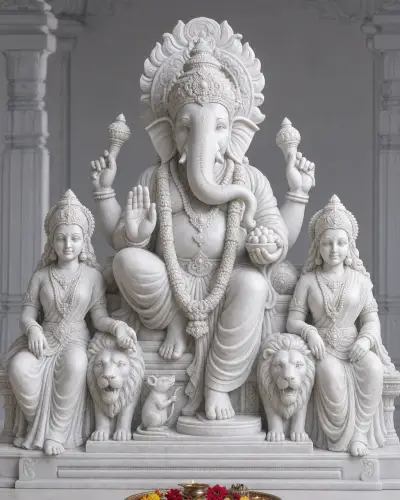
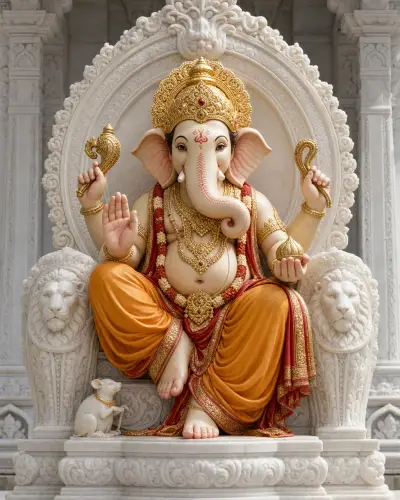
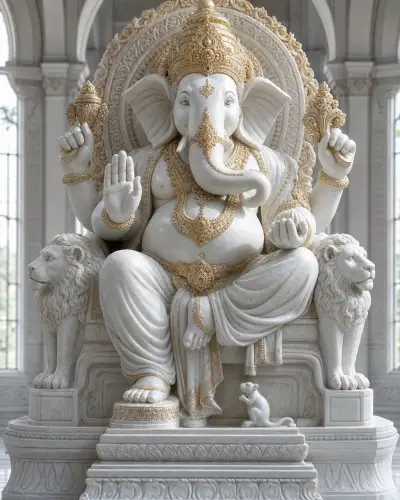
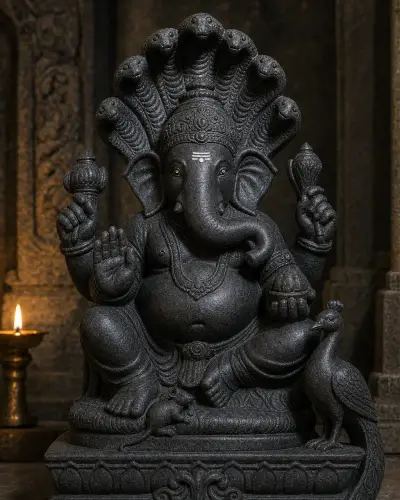
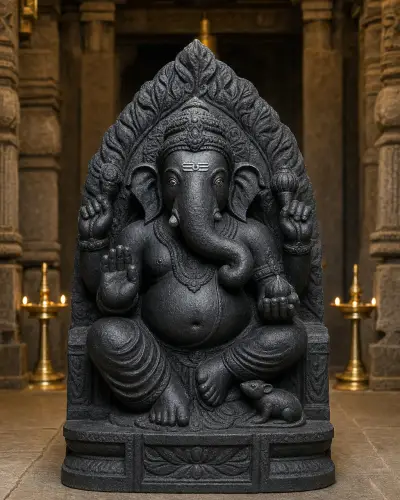
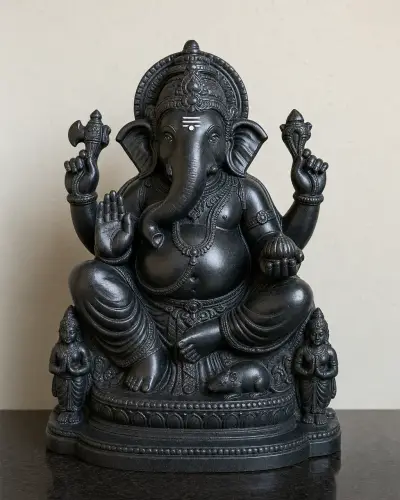
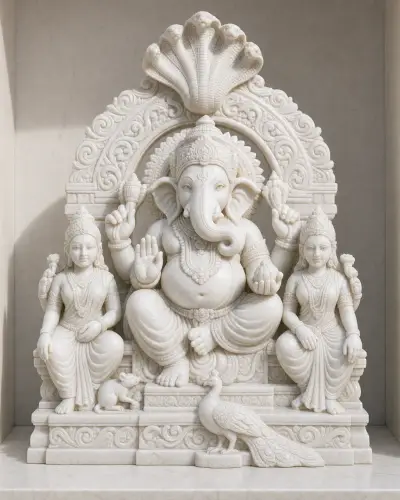
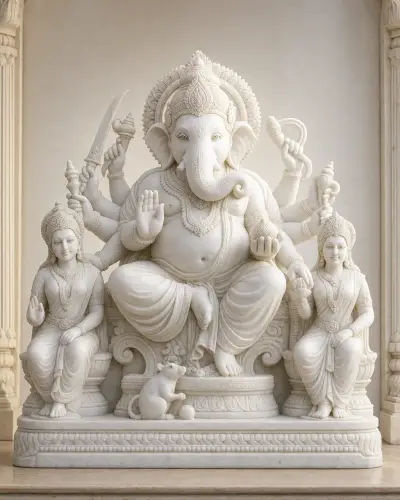
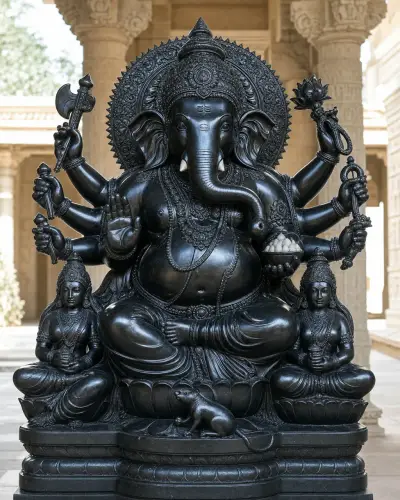
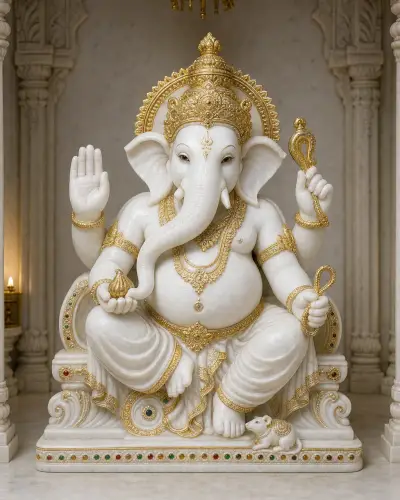
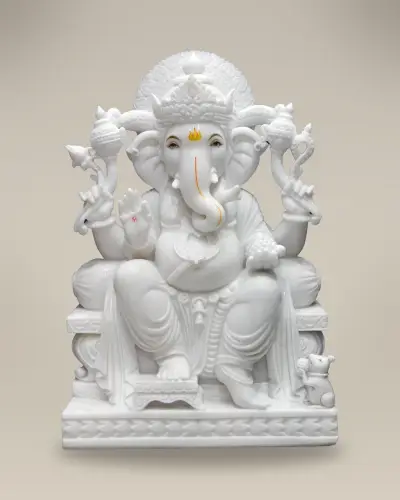
Murtis here are made to order unless a piece's own page says otherwise: the famous pandal forms, the seated home-mandir Ganpati, and pieces small enough for a desk. Share the one you like on WhatsApp and we'll quote it.
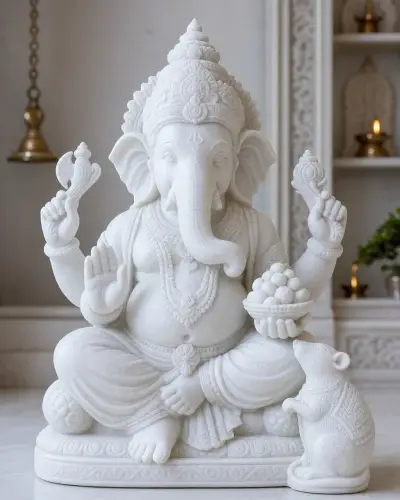
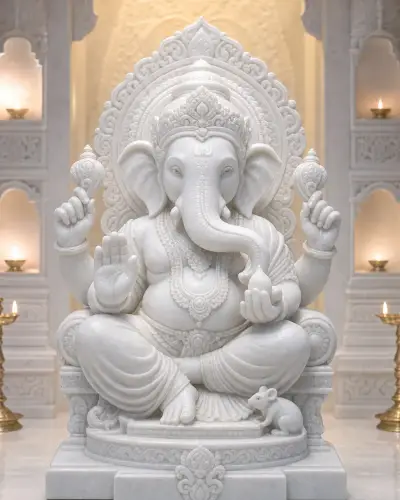
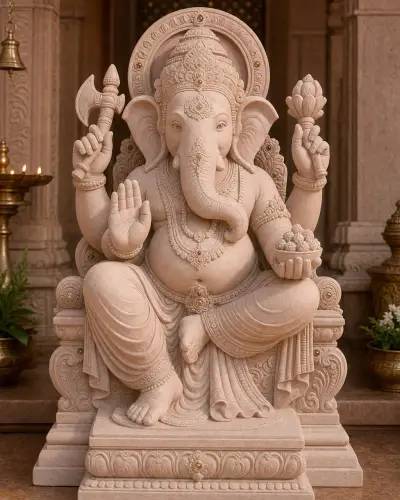
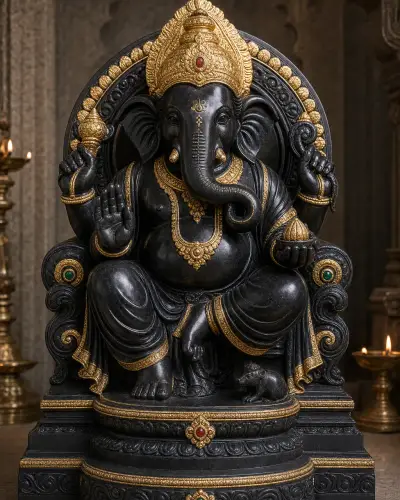
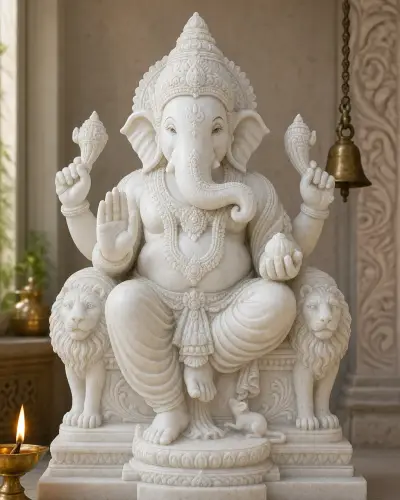
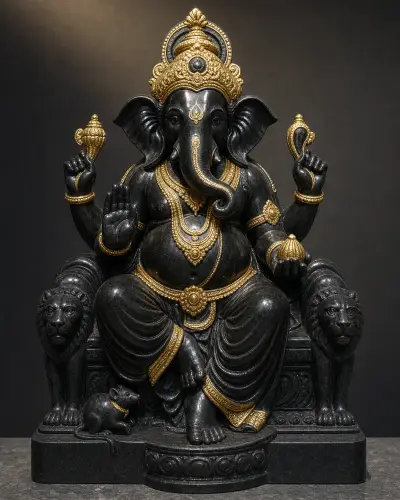
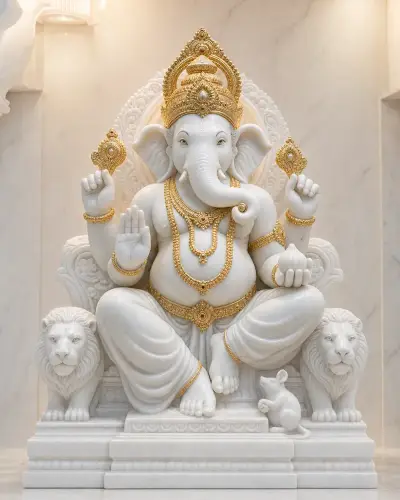
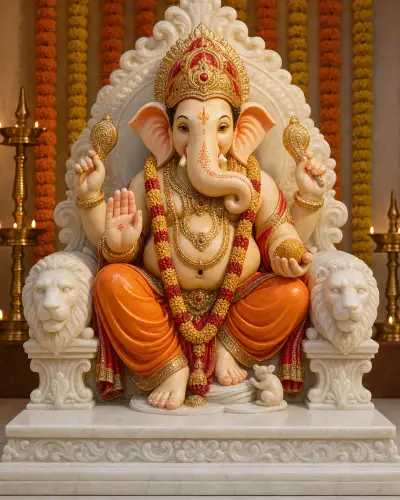
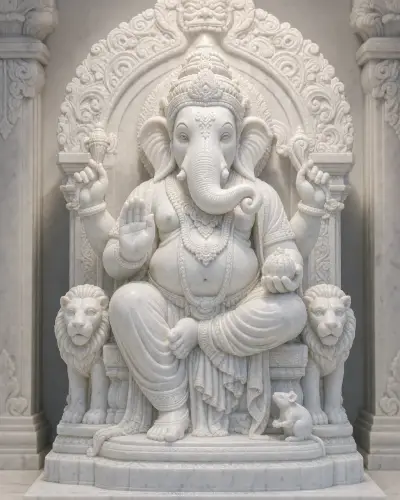
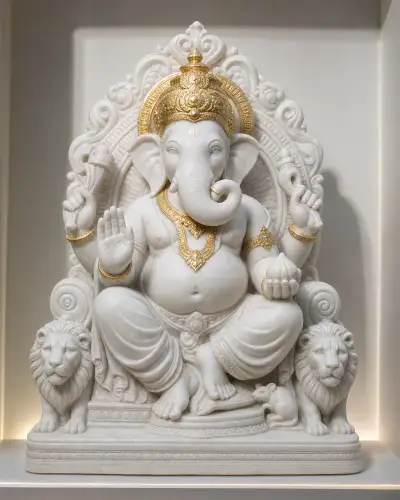
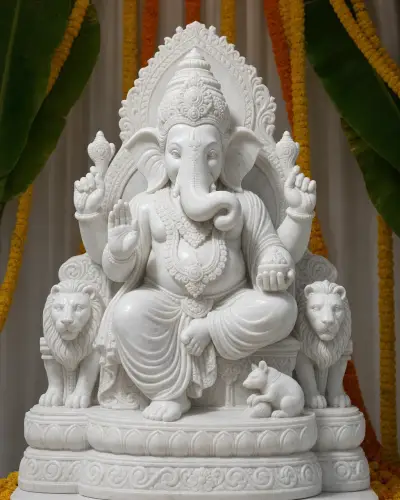


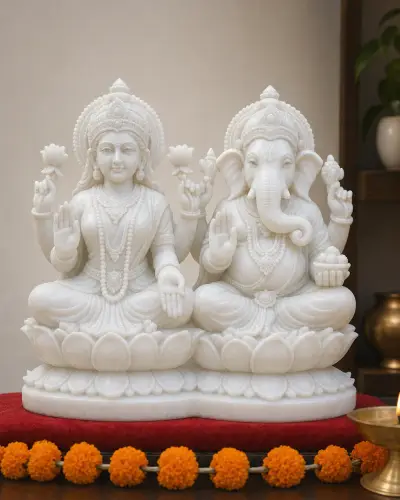

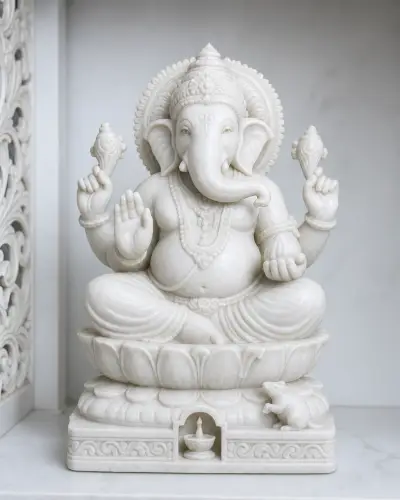
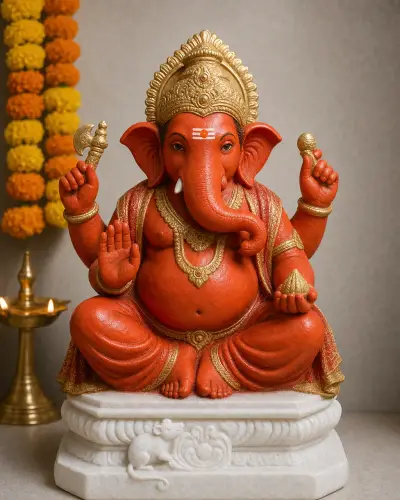
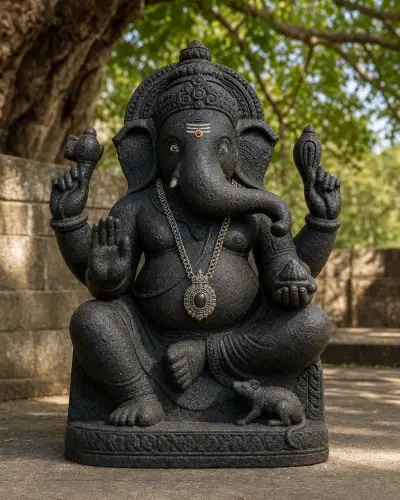
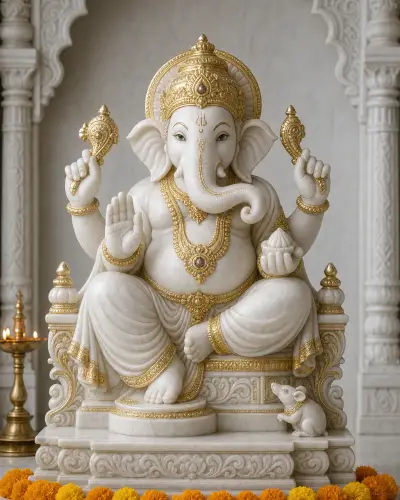
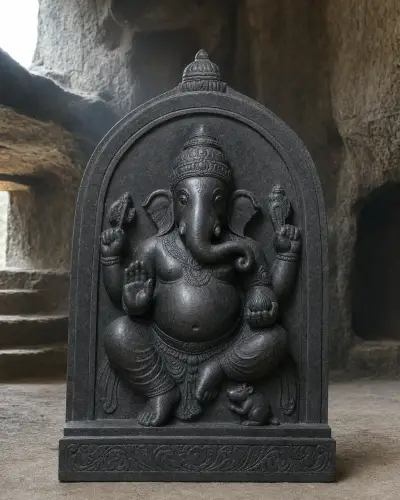
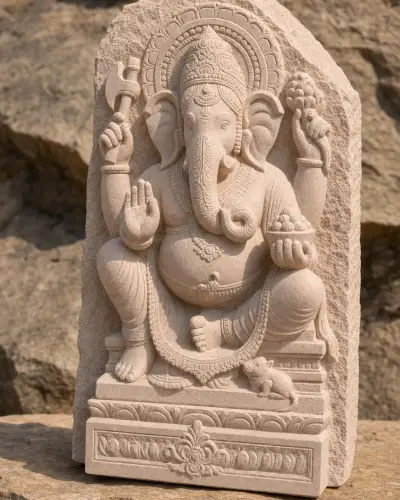
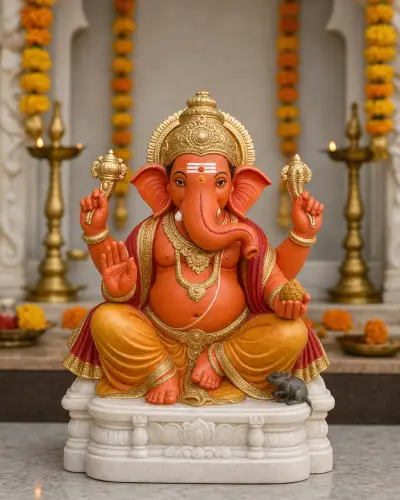
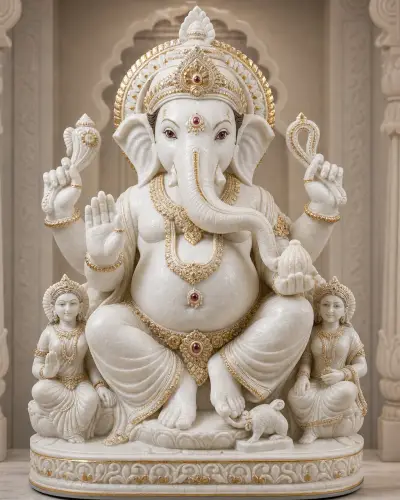
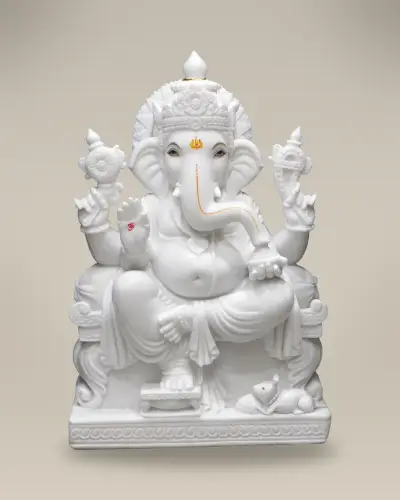
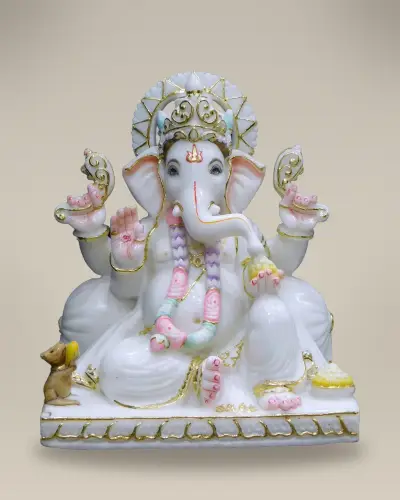
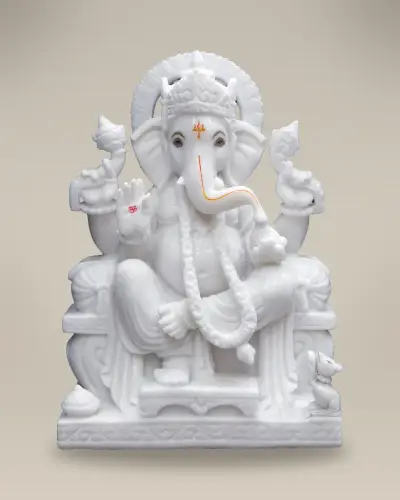
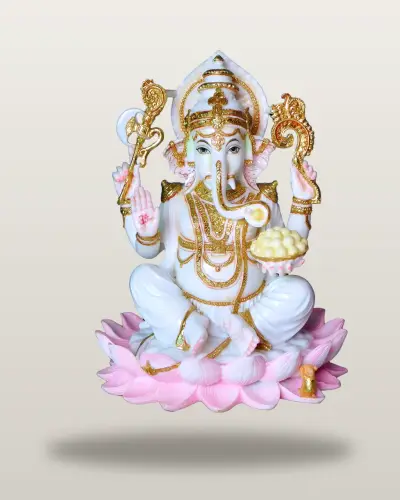
Showing 15 of 78 products
Marble Ganpati murtis for Ganesh Chaturthi
Ganesh Chaturthi is the one point in the year when a household goes looking for a Ganpati specifically. Most of that search ends in clay: the shadu-mati murti that is installed, worshipped for a day and a half or five days or ten, and then immersed. This collection is for the other decision: the marble murti that is installed once and stays.
It helps to be clear about that up front, because it is a different purchase. A marble Ganpati is not a replacement for the clay one. In a great many homes the two stand side by side through the festival. What the marble murti does is carry the festival into the rest of the year.
The murti you keep, and the murti you immerse
The difference is practical before it is devotional. A clay murti is made to dissolve: it is unfired, it is light, and it is sized for someone to carry to the water. A marble murti is made to last, so none of those limits apply to it. It can be eight inches or it can be five feet. It can be black stone taken to a mirror polish. It can be hand-painted in full polychrome and repainted years later.
Families who keep a marble Ganpati usually handle visarjan one of two ways. Some install a small clay murti beside the marble one and immerse only the clay. Others perform uttar puja and a symbolic visarjan, sprinkling water and then returning the murti to its usual place in the mandir. Neither is more correct; it follows what your family and community observe, and a purohit will tell you what is customary where you are.
Forms in this collection
Three groups sit together here, and they answer different reasons for buying.
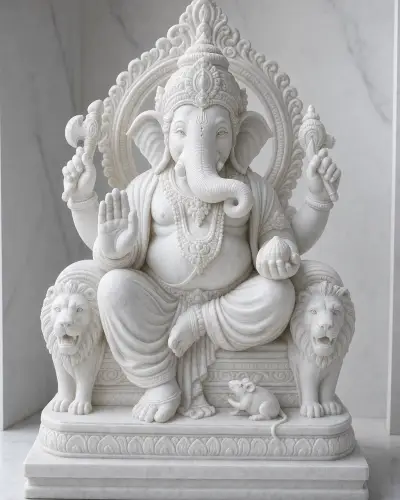
The named pandal forms. Two of Maharashtra's most recognised Ganpatis are made to order in stone: the Dagdusheth Ganpati of Pune, with its broad crown and prabhavali arch, and the Lalbaugcha Raja of Mumbai on his lion throne. These are the forms people ask for by name, often after years of going for darshan, and both come in plain stone, gold-leaf, and traditional polychrome.
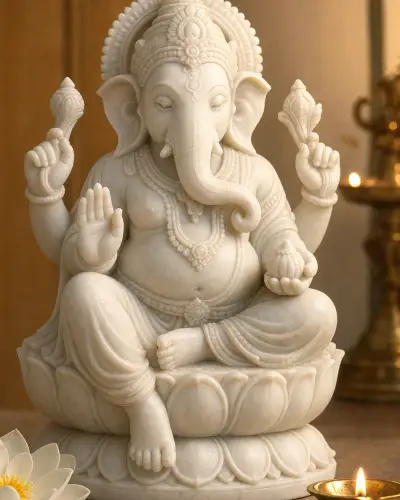
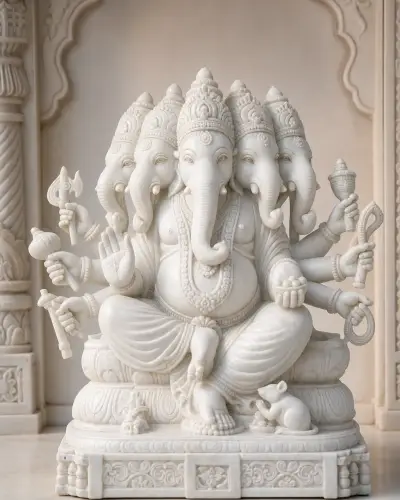
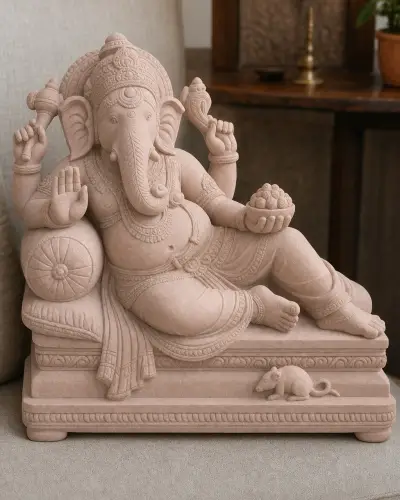
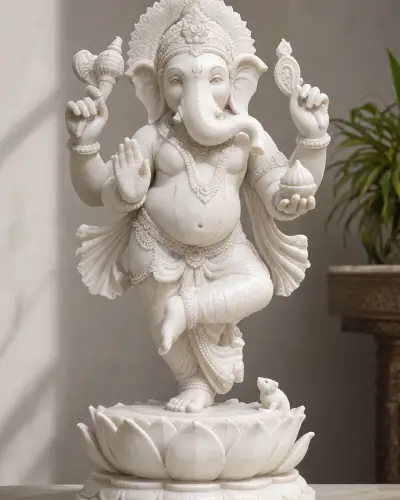
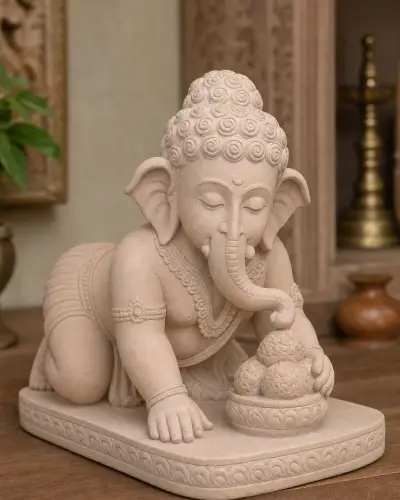
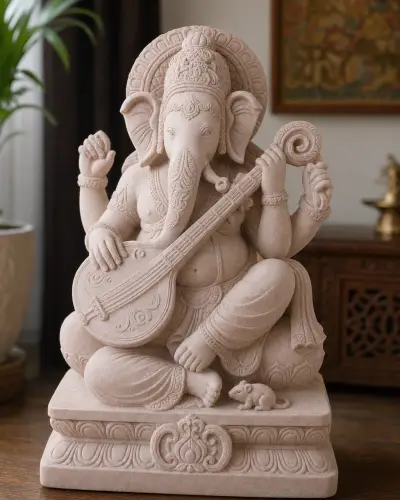
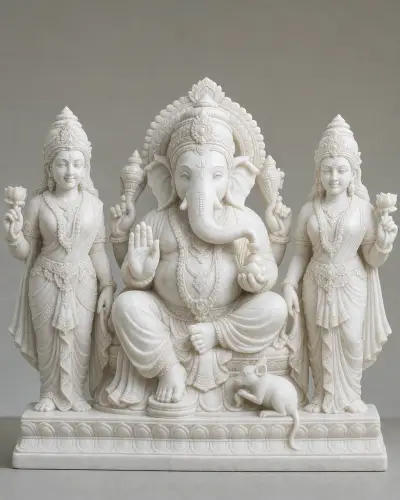
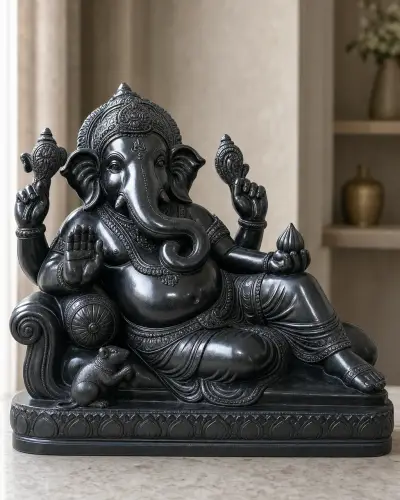
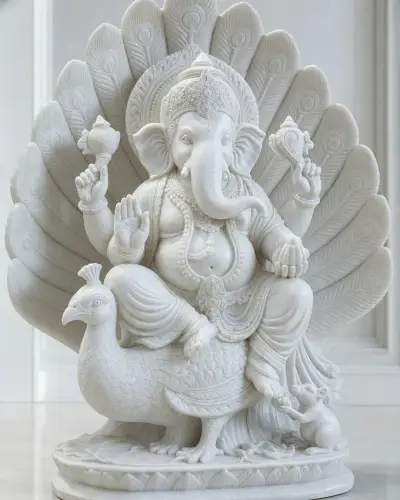
Household forms of Ganesha. The wider range from the Ganesh collection: Bal Ganesh as a child, the five-faced Panchmukhi, Nritya Ganesh mid-dance, Ekadanta the scholar with his single tusk, Mayuresha on the peacock, Ganesh with Riddhi and Siddhi, a reclining Ganesh, and one playing the veena.
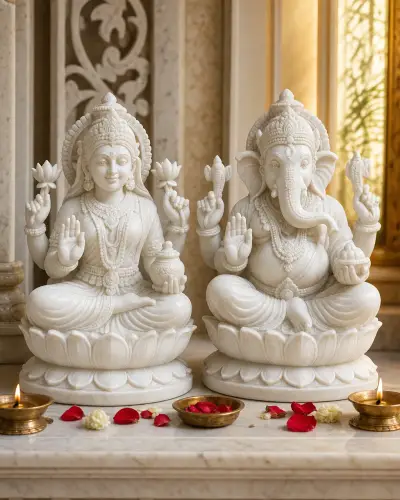
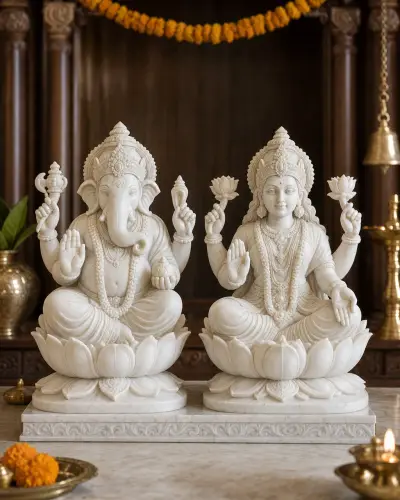
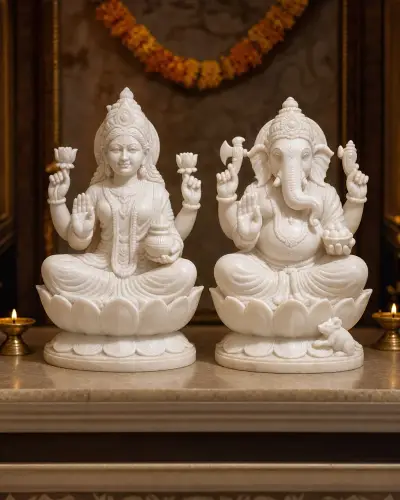
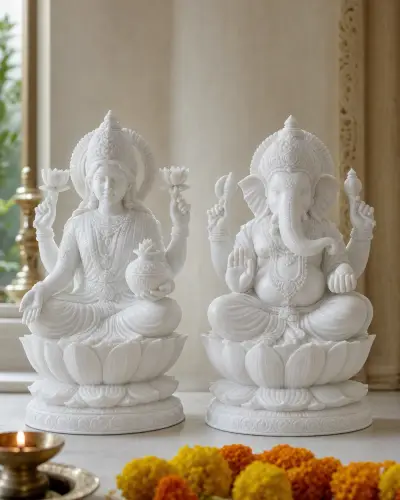
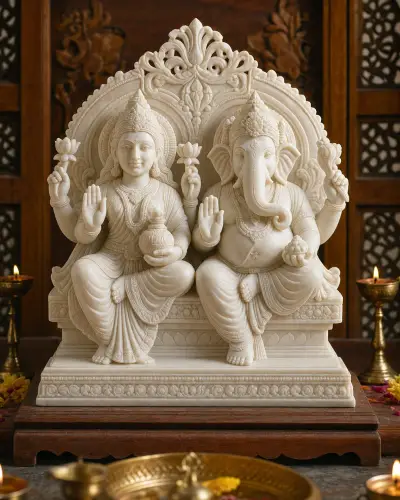
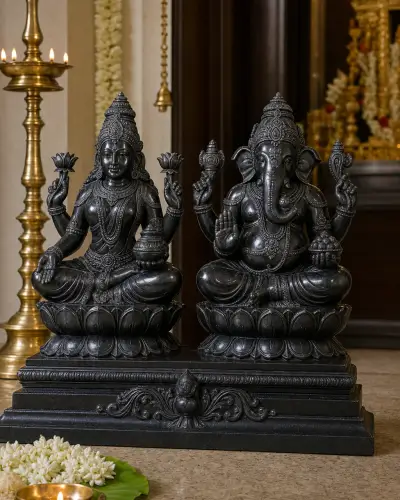
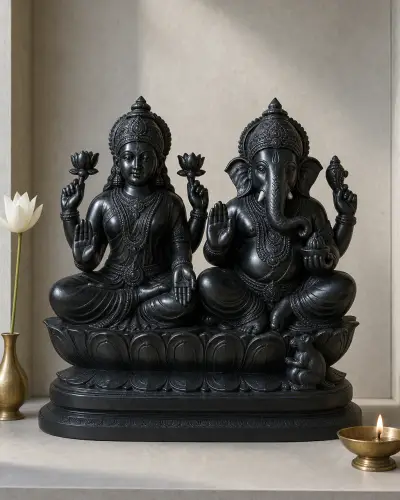
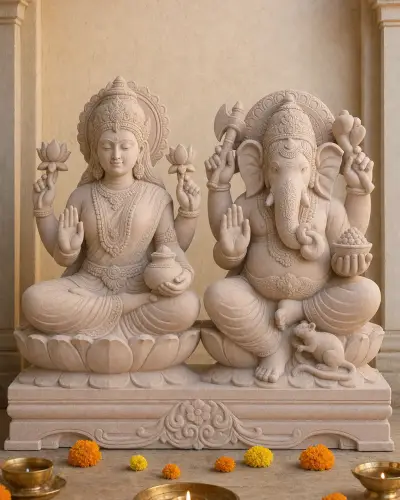
Lakshmi-Ganesh pairs. The pair belongs to Diwali rather than Chaturthi, but it is included because a good number of households buy once for the whole festival season rather than twice.
Choosing the stone
Five stones are available, and for a festival murti the choice is mostly about how the piece behaves under lamps and decoration.
- Makrana white marble: the classic warm temple white, and the most-commissioned stone here. It holds marigold and haldi-kumkum against it well and reads bright under diyas.
- Vietnam white marble: cooler and brighter with a fine even grain. It suits the larger pieces, where a cleaner white keeps a tall murti from looking heavy.
- Black stone: striking, and mirror-polishable. It reads as a deliberate choice rather than a default, which is why it tends to be picked for a single statement piece.
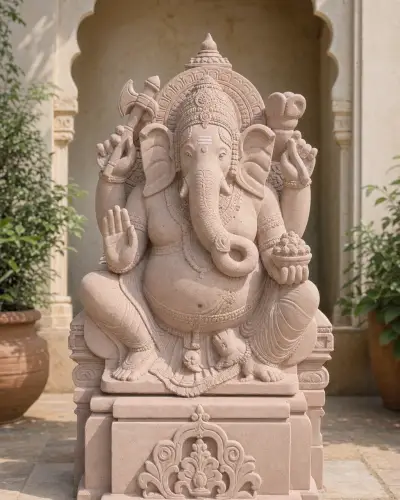
- Dholpur pink sandstone: warm and matte. It is native to Rajasthan, it takes no polish, and it is the one stone here that is comfortable outdoors on a verandah or in a courtyard.
- Cast marble dust, for the smaller and more affordable pieces.
Size and placement
The pieces here run from 8 inches to 5 feet, and the right height follows where the murti will actually sit.
A home mandir shelf usually wants 9 to 18 inches, so the Ganpati sits in proportion with the murtis already there. A dedicated sthapana on a chowki or low table is better at 18 to 30 inches, large enough to be the centre of the room during the ten days. A hall, a courtyard, or a housing-society mandap needs 3 to 5 feet to hold its own in the space. Desk and shelf pieces go down to around 9 inches, and there are versions of both pandal forms at that size for an office or shop counter.
Traditionally the murti faces east or west, and is placed so the devotee is not looking at its back from the main seating in the room. If you send a photo of the space on WhatsApp, a height can be suggested against it.
Timing it for the festival
Ganesh Chaturthi 2026 falls on 14 September. Ask us first whether a suitable Ganpati is already carved. The sculptors we work with hold finished pieces, and one of those removes the carving wait entirely, which is what makes a late date possible at all. Carved to your brief, a marble murti takes roughly 8 to 12 weeks depending on size and carving detail, and international shipping adds another 3 to 5 weeks on top of that.
That arithmetic is worth doing early rather than late. For a delivery in India, orders placed by the middle of August are comfortable for pieces up to about 18 inches and tight for anything larger. For a delivery abroad, this year's date needs to have been started already. Where a date cannot be met honestly, it is better to say so and plan for the following year than to promise and miss.
Caring for it
Very little is needed. Dry-dust the murti regularly and wipe it with a soft damp cloth. Keep acidic things away from the surface (lemon, vinegar, descaling liquids), since they etch marble permanently. Oil lamps and camphor leave a film over a season; warm water with a drop of mild soap removes it.
Hand-painted polychrome pieces want a dry cloth only, and the paintwork can be refreshed years later. Dholpur sandstone is matte by nature and needs no polishing at all.
Make it yours
Everything here is made to order, so the pieces above are a starting point rather than a catalogue. Tell us which one you like and it can be adapted: a different stone, a different size, a plain finish instead of gold leaf, a fuller base.
Bring us something else entirely and that is equally welcome. A photograph of the Ganpati from your family temple, a form your community installs that is not shown here, a sketch, or simply the dimensions of the alcove it has to fit. We design it with you, brief the sculptor, and follow it through to your door.
Why choose Tilak Mandirwala for your Ganesh Chaturthi murti
Marble Ganpati murtis made to order for the festival: the murti you install once and keep
Festival-ready forms
Pandal forms, home-mandir Ganpati, and compact desk pieces, all in one place.
Any Ganpati form
Dagdusheth, Lalbaugcha Raja, seated, standing, or your own reference photo.
Choice of stone
Five stones, from Makrana white to Dholpur pink sandstone and cast marble dust.
Sized for your sthapana
From a 6-inch shelf murti to a 5 ft piece for a society mandap.
Heritage Rajasthan work
Carved by the master sculptors and artist families we work with near Jaipur.
Insured delivery
Multi-layer wooden crating, tracked shipping across India and worldwide.
How we create your personalised Ganpati murti
From idea to Chaturthi sthapana, every step is transparent and custom
Share your idea
Pick from our gallery or send your own reference, size, and stone preference.
Finalise details
We confirm the form, trunk direction, base style, finish, and your festival date.
Clear quote & timeline
We provide a transparent quotation and a schedule measured against your Chaturthi date.
Advance to begin
A partial advance secures stone and supports initial artisan work.
Sculpting updates
We share photos of carving progress so you stay in control.
Approval & packing
Final photos shared before multi-layer wooden crating for safe transit.
Balance on delivery
Pay remaining balance only once your murti arrives safely.
Frequently asked questions
Get answers to common questions about our custom sculptures
Can a marble Ganpati be used for Ganesh Chaturthi sthapana?
Do I immerse a marble murti at visarjan?
Will it reach me before Ganesh Chaturthi?
Which size Ganpati should I choose?
Which marble can I choose? Do you make these in stones other than white?
Can you make Dagdusheth Ganpati or Lalbaugcha Raja?
Do you ship abroad in time for Chaturthi?
Planning your Ganesh Chaturthi sthapana?
Send a reference photo on WhatsApp and we'll confirm the form, stone, size, and whether it can reach you before Chaturthi.
WhatsApp for a QuoteImporting statues for your store or gallery? Marble statue supplier for importers
Prefer to see the marble before you order? Visit our showroom in Jaipur, or send us your size and budget.
Browse Other Collections
Discover more collections that might interest you
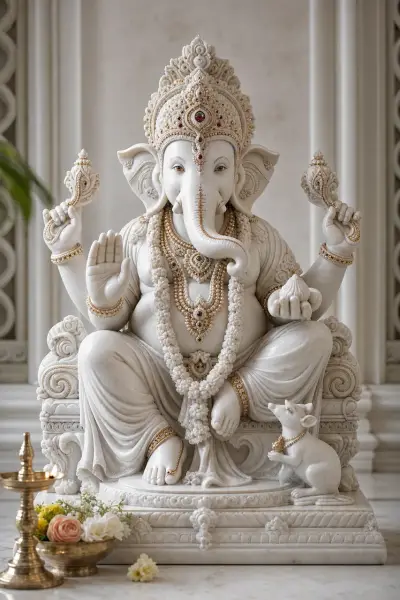
Custom Made Dagdusheth Ganpati Statues in Marble Stone
Hand-carved Dagdusheth Ganpati murtis in the revered Pune Shreemant Dagdusheth Halwai form - natural marble, 22k gold-leaf, or traditional polychrome, in your choice of stone and size. Start with a free WhatsApp consultation.
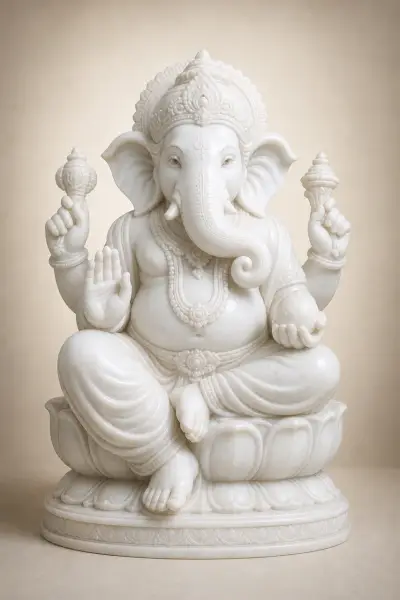
Custom Made Ganesh Statues in Marble Stone
Hand-carved Ganesh statues in marble: sitting, blessing, or dancing, in your choice of stone and size. Traditional Jaipur craftsmanship. Start with a free WhatsApp consultation.
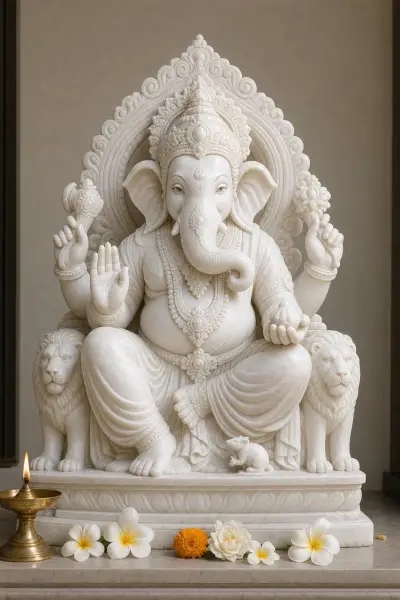
Custom Made Lalbaugcha Raja Ganpati Statues in Marble Stone
Hand-carved Lalbaugcha Raja murtis in the revered Mumbai Lalbaug form - the Navasacha Ganpati on his lion-flanked throne, in natural marble, 22k gold-leaf or traditional polychrome, in your choice of stone and size. Start with a free WhatsApp consultation.
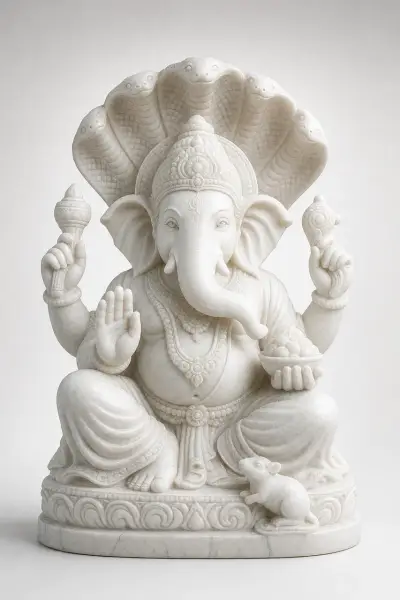
Custom Made Ashtavinayak Marble Statues — The Eight Ganpati Swaroops
The eight swaroops of the Ashtavinayak yatra (Moreshwar, Siddhivinayak, Ballaleshwar, Varadvinayak, Chintamani, Girijatmaj, Vighneshwar and Mahaganapati), each made to order in the stone, size and surface you choose. Start with a free WhatsApp consultation.
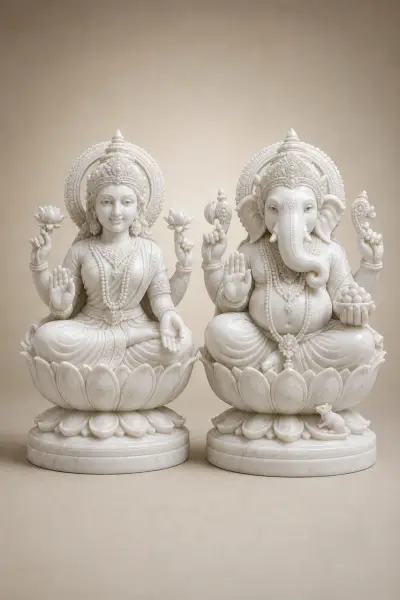
Marble Idols & Gifts for Griha Pravesh & Housewarming
Handcrafted marble idols and décor for a new home: Lakshmi-Ganesh for prosperity, Ram-Sita for harmony, and Vastu-friendly gifts for griha pravesh. Choose your stone and size, or start with a free WhatsApp consultation.
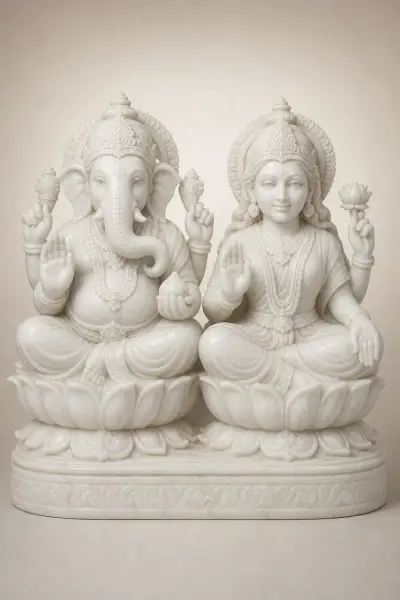
Custom Made Lakshmi Ganesh Murti for Diwali in Marble
Lakshmi Ganesh pairs and Lakshmi murtis in marble and stone for Diwali and Dhanteras puja. Pick a ready piece or have one carved in Jaipur in your stone and size. Free WhatsApp consultation.